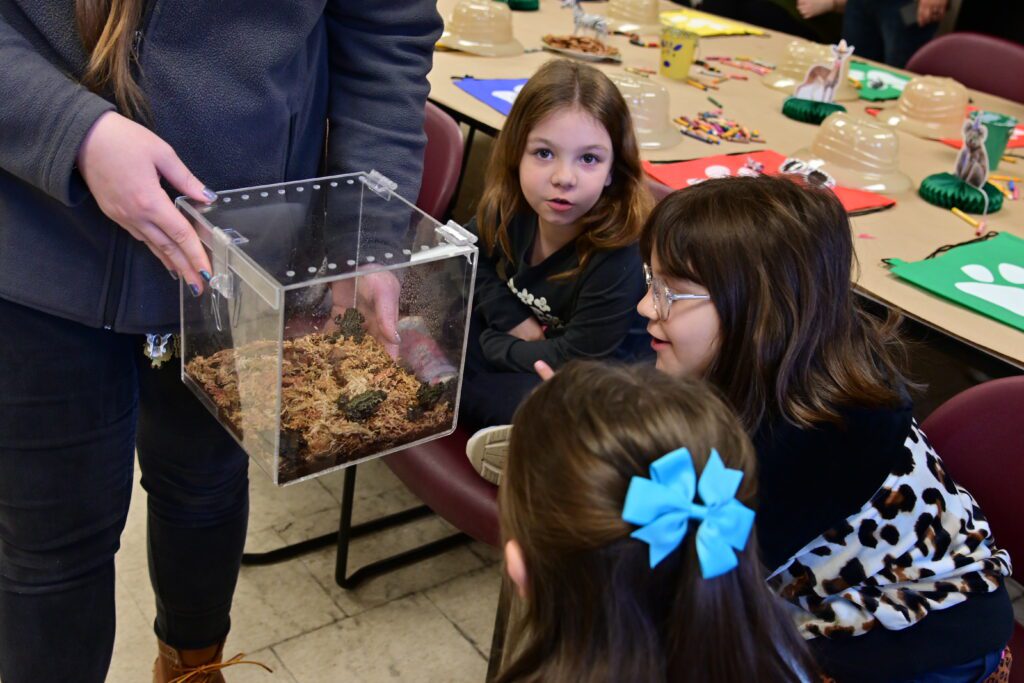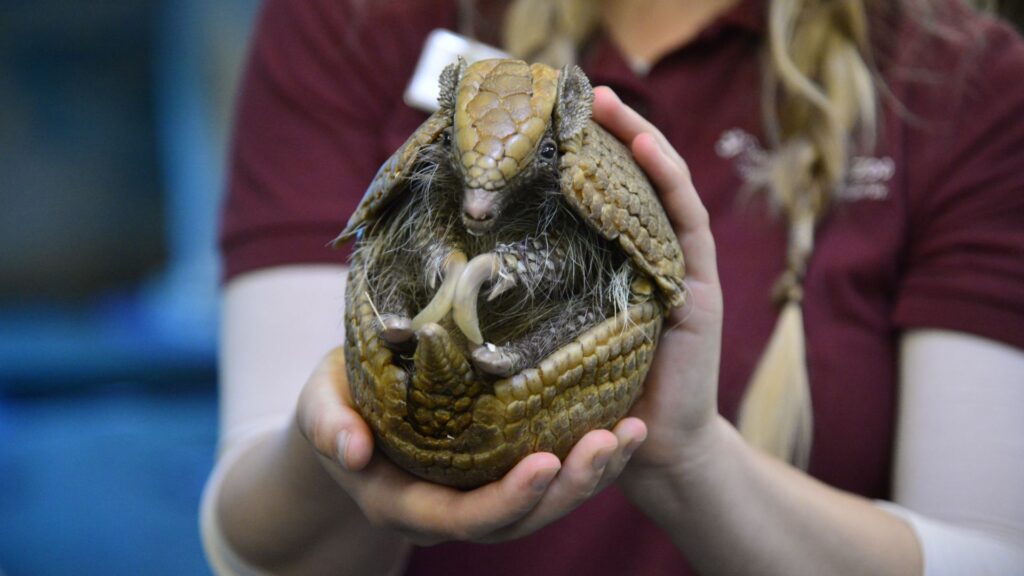
At Seneca Park Zoo conservation isn’t confined to what’s inside the Zoo gates—it travels into classrooms, community centers, and events across the region through the Zoo’s Animal Ambassador Program. The Animal Ambassador program brings people face-to-face with animals like Tiny Tim the African bullfrog, Koopa the red-footed tortoise, and dozens of other species to inspire curiosity, connection and conservation action. These ambassadors help us tell powerful stories about wildlife, ecosystems, and the role humans play in protecting them.
“There is nothing better than introducing a child to an animal, helping them form a connection, and then discussing why and how we can help conserve them,” says Kimberly Bracken, Seneca Park Zoo Naturalist Coordinator. “Children have an innate ability to connect with the natural world and a curiosity that inspires.”
Animal Presentations for Field Trips
For many students, a visit to the Zoo is more than a field trip—it’s an immersive learning experience. School groups can enhance their visit with live animal presentations, where trained educators introduce ambassador animals while connecting lessons to science standards and real-world conservation challenges.
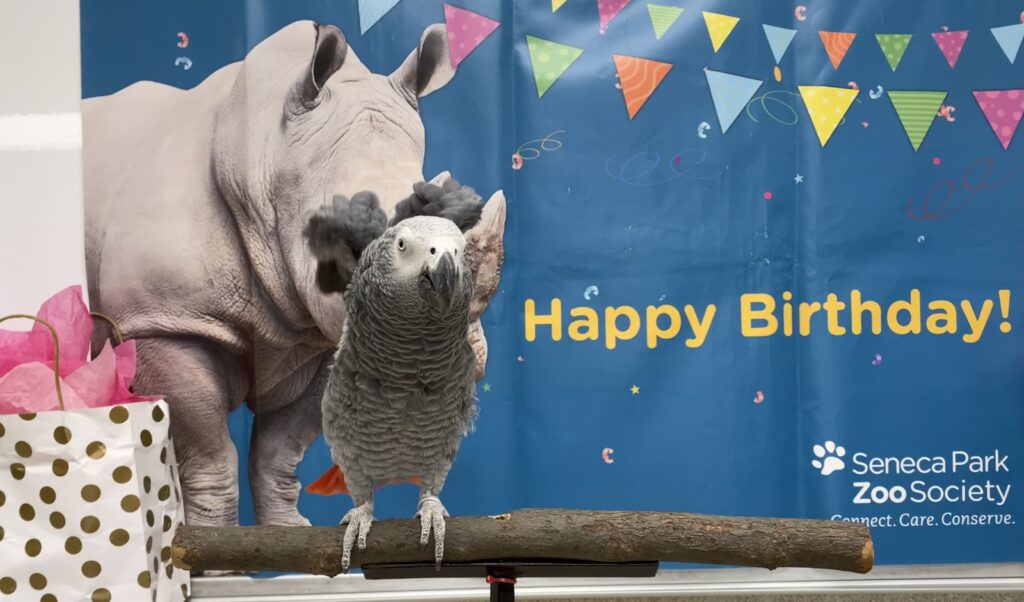
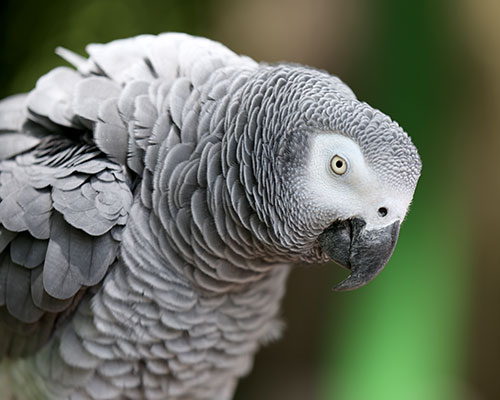
“I love talking about Minnow, who is a 30-year-old African grey parrot and participates in animal presentations covering many different topics,” says Gretchen Spencer, Experiential Learning Coordinator at Seneca Park Zoo. Ambassador Animals can help teach many different types of lessons depending on the class or need. “Earlier this year, I had two groups of 11th and 12th graders who are studying psychology visit the Zoo. Their teacher books an animal presentation every year. We review different types of behavior training that they have learned about in class, and how we only use positive reinforcement at the Zoo.”
These programs are designed for a wide range of grade levels and learning styles, helping students explore topics like animal adaptations, biodiversity, and environmental stewardship. All formal school programs help teachers meet their curriculum needs, as they are designed to meet New York State and NextGen Standards. By seeing animals up close and hearing their stories, students gain a deeper understanding of the natural world and their place within it.
Celebrating with Wildlife: Birthday Party Encounters
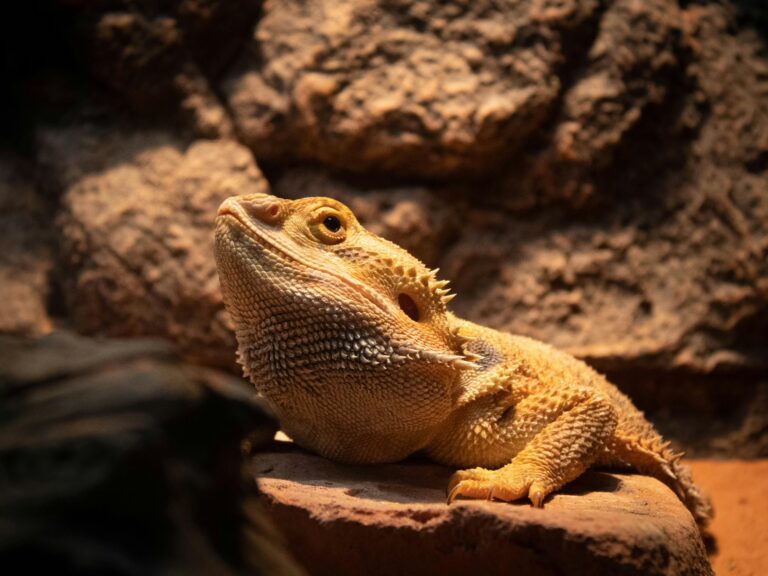
The Animal Ambassador Program also brings a unique twist to celebrations. Birthday party experiences at the Zoo include meeting ambassador animals in a fun, engaging setting. Every single birthday party booked at the Zoo includes a donation to conservation.
“My favorite thing to share with the guests is that they are contributing to conservation and making a difference. A guest might think they are simply enjoying a cool presentation, but it’s so much more than that,” said Bracken. “They are helping to fund conservation projects locally and globally, raising awareness and learning about sustainable choices that they can implement into their daily lives. Every program makes a difference and allows our mission to continue.”
These experiences create memorable moments for families while reinforcing the Zoo’s mission: inspiring people of all ages to connect with wildlife and take action to protect it. Whether it’s a child meeting a reptile for the first time or learning how animals survive in the wild, these encounters spark lifelong curiosity and care for nature.
Written by Beth LaPierre, Director of Marketing and Communications.