The Remedial Action Committee (RAC) is a group of scientists and environmentalists, including the Zoo’s Director of Animal Health and Conservation Dr. Jeff Wyatt, that oversees progress restoring the Rochester Embayment EPA Area of Concern (AOC).
The AOC, including the lower 6 miles of the Genesee River adjacent to the Zoo and Lake Ontario shoreline between Bogus Point (Parma) and Nine Mile Point (Webster), was designated in 1987 by the Great Lakes Water Quality Agreement as a heavily polluted area due to historic industrial activities. 43 other AOCs have been identified across all of the Great Lakes in the United States and Canada.
Photo by Charlie KnauffRochester AOC Map, provided by EPA
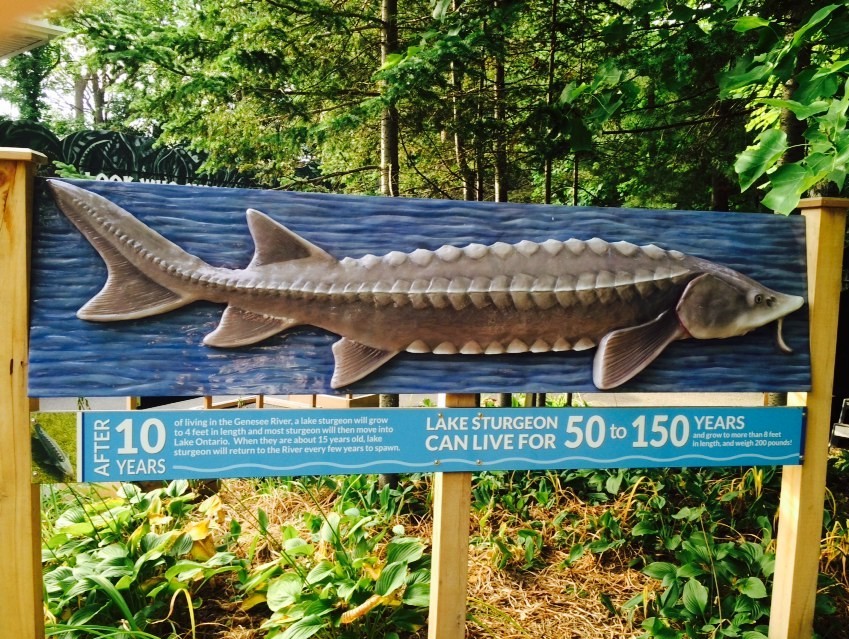
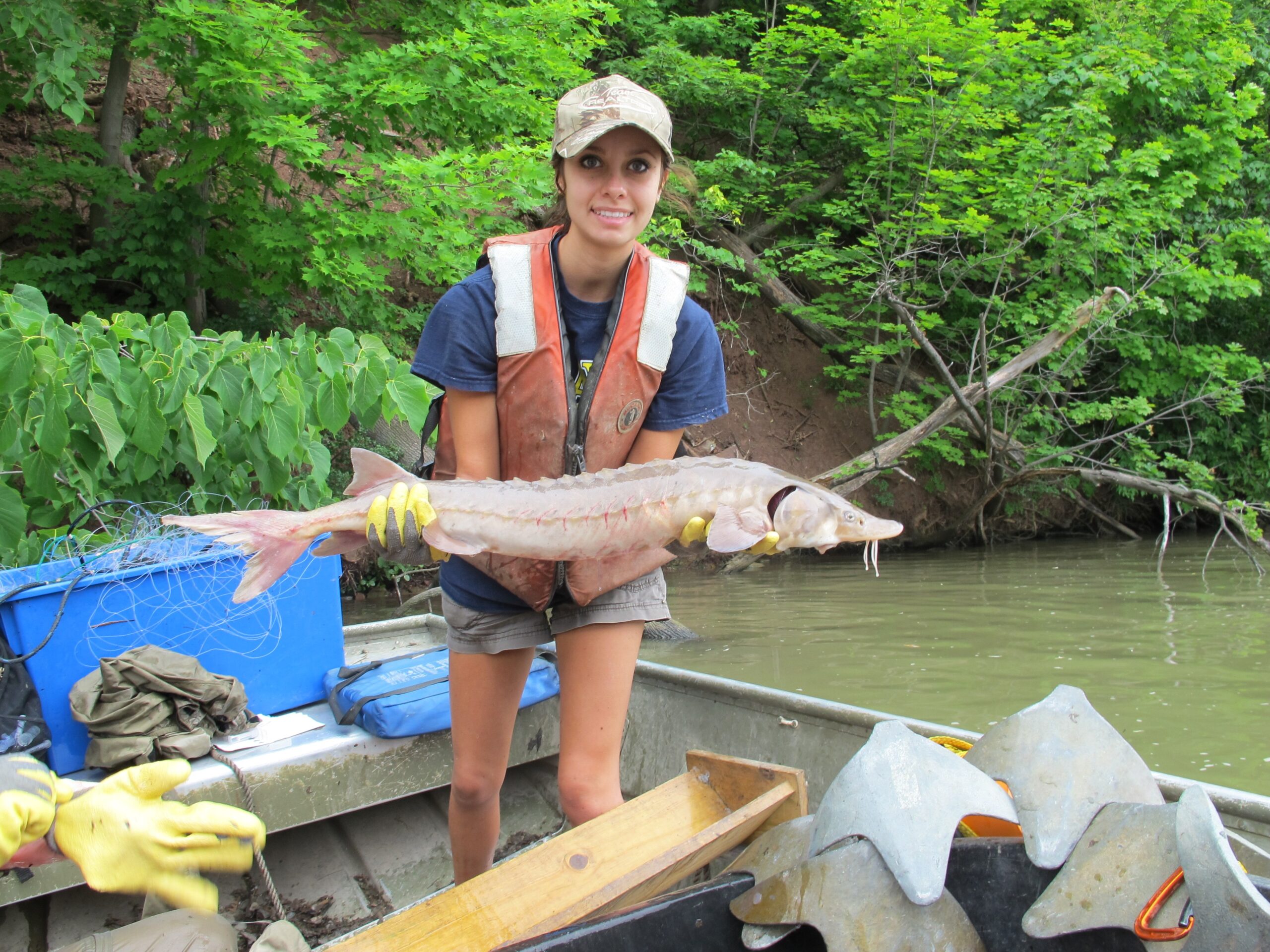
We have made tremendous progress restoring our impaired lower Genesee River & Rochester harbor environment, which has seen everything from beach closings to fish & wildlife losses due to pollution. Our thriving population of 5,000 lake sturgeon, reintroduced in the Genesee since 2003, best exemplifies a healthier river ecosystem for wildlife and people.
Sturgeon thriving in the Genesee, photo by Dr. Jeff Wyatt
A sturgeon and storm drain exhibit at the Zoo, photo by Dr. Jeff Wyatt
The RAC continues to work diligently gathering scientific evidence so the Rochester Embayment AOC may some day soon be delisted.
Find more information about the Great Lakes and Rochester AOC Restoration here.
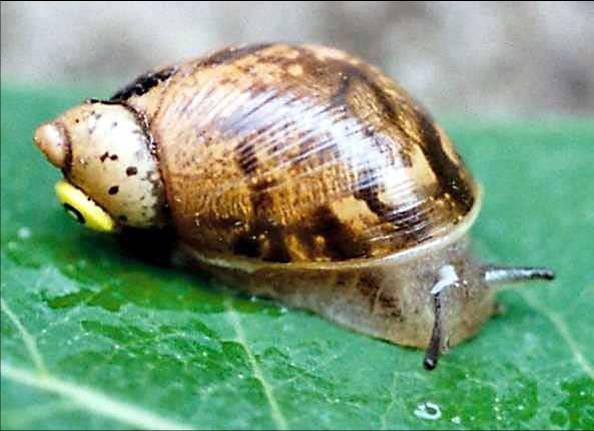
New York’s most endangered animal, the Chittenango Ovate Amber Snail (COAS), now has a new life support strategy preventing extinction. The COAS, which numbers at approximately 400, lives in only one place in the world–and is at risk of being wiped out with one catastrophic event (e.g. a rock slide). It has lived for thousands of years on one rocky ledge in the spray zone of Chittenango Falls, just 100 miles east of Rochester.
COAS with bee tag, courtesy of NYSDECChittenango Falls
During the last two years, Cody Gilbertson, a graduate student at SUNY Environmental Sciences & Forestry (ESF), has developed a highly successful laboratory housing and breeding program with 100% survival of offspring over two generations numbering in the hundreds!
Cody Gilbertson, ESF graduate student, demonstrating laboratory care of COASSeneca Park Zoo veterinary technician Robin English LVT examines snail eggs
At a recent Snail Summit held at an ESF laboratory, participants from United States Fish & Wildlife Service, NYS Parks Department, NY Department of Environmental Conservation, Rosamund Gifford Zoo and Seneca Park Zoo gathered to discuss the next steps for saving the COAS from extinction. These steps may include development of two additional ex situ laboratory breeding programs, supplementation of the current population with lab reared snails and consideration of translocation to another habitat.
Seneca Park Zoo resources have been devoted over the past fifteen years to participating in field surveys and leading the veterinary support of both in situ and ex situ initiatives. These successes and plans demonstrate the impact of and power of partnerships using science to save species from extinction.
—Dr. Jeff Wyatt DVM, MPH, DACLAM, Director of Animal Health and Conservation
On October 16, the Zoo’s Director of Animal Health and Conservation, Dr. Jeff Wyatt, gathered with staff from the New York State Department of Environmental Conservation (DEC), Zoo supporters and members of the media at the City Boat Launch near Ontario Beach Park. A small group of those gathered boarded a boat and awaited the arrival of their fellow passengers: sturgeon.
Check out this video to see what happened once the sturgeon were loaded onto the boat and taken to a spot in the Genesee River near Seth Green Island.
Learn more about our continuing partnership with the DEC here and stay tuned for updates on how the reintroduced fish develop during the next year!
The ZooTeen program, which began in 1993, gives young adults the opportunity to explore their interests in ecology and conservation. ZooTeens spend the summer educating our visitors about Zoo animals and important environmental concepts.
This summer they were invited to get up close and personal with our honey bees during an experience with Sweet Beez, a nonprofit that cares for the Zoo’s hive. Watch the video below!
– Anneke Nordmark, Youth and School Programs Coordinator
The world’s largest population of freshwater salmon was historically found in Lake Ontario. Loss of spawning habitat, prey species and overfishing contributed to the extinction of the Atlantic salmon locally.
The USGS Tunison Aquatic Laboratory scientists are changing that by raising and releasing over 100,000 Atlantic salmon annually since 2011 into Lake Ontario and tributaries. With improved spawning habitat and restoration of lake herring, preferred prey of salmon, the future looks bright.
Four Seneca Park crew and Zoo staff assisted USGS with marking 8,000 three-inch baby salmon by clipping a vestigial fin, called the adipose fin, from each fish. After administering an anesthetic in the water, the tiny fin is removed with a pair of surgical scissors.
This permanent identification allows fish biologists in the future to distinguish adult stocked from naturally spawned salmon. By restoring native fish species back to Lake Ontario we are returning a natural balance to the food web and ecosystem.
– Dr. Jeff Wyatt, Director of Animal Health and Conservation
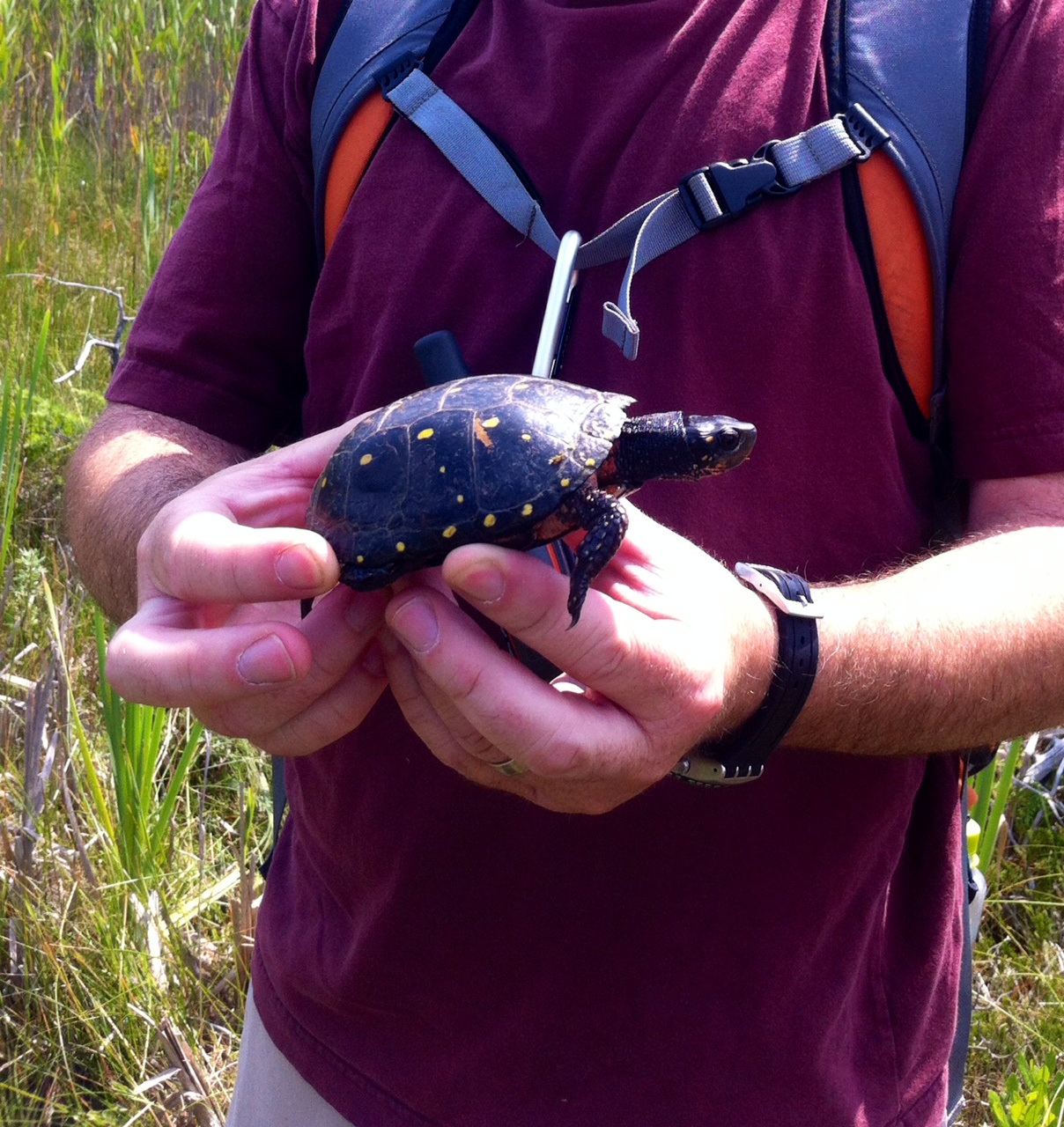
A team of nine herpetologists (specialists in amphibian, turtle and snake biology) from Toronto, Milwaukee and Buffalo zoos and SUNY Environmental School of Forestry (ESF) recently surveyed with Seneca Park Zoo staff a unique wetland in Greater Rochester.
The biologists hiked and waded through the boggy habitat in search of New York State’s endangered, protected reptiles and amphibians. The location of this special place is kept confidential to protect the animals from illegal harvest by poachers selling to high bidders in the black market pet trade.
Yes – endangered and protected animals are at risk of poaching in upstate New York just like the biodiversity hot spots in Africa, Asia and South America. The team of herpetologists identified many reptiles and amphibians, several of which may be seen in photographs taken by the Zoo’s Assistant Curator John Adamski and myself. This unique habitat and wildlife are saved and protected only due to the efforts of the private landowner and neighbors.
We all thank these habitat guardians for their vision saving New York’s wildlife in wild places for future generations.
– Dr. Jeff Wyatt, Director of Animal Health and Conservation and John Adamski, Assistant Curator
July’s Genesee River netting survey of 3,000 lake sturgeon (reintroduced as nursery reared, four-inch fry in 2003. 2004 and 2013 by U.S. Geological Survey (USGS) Tunison Lab biologist Dr. Dawn Dittman assisted by Zoo staff) continues to tell a tremendous success story!
The sturgeon, a fish with a long history in the Genesee River, all but disappeared due to overfishing, pollution and habitat loss 100 years ago. Seneca Park Zoo 2014 Aab Pre-Vet fellow Ashlee Melhado and a USGS team spent a beautiful day on the Genesee studying the one to eleven year old fish .
After taking measurements (plus photos of course!) and placing a yellow fin tag with a USGS phone number and unique code, the fish were returned back to the Genesee where it flows adjacent to the Zoo. All sturgeon bioindicators show that the Genesee River is a healthy nursery for sturgeon to thrive. As teenagers, these contemporaries of the dinosaurs leave the Genesee for the next 85 to 150 years to live in Lake Ontario, only returning to the lower Genesee to spawn every 3 to 5 years.
Our science programs saving this species will certainly span several careers of budding zoo and aquatic biologists!
– Dr. Jeff Wyatt. Director of Animal Health & Conservation
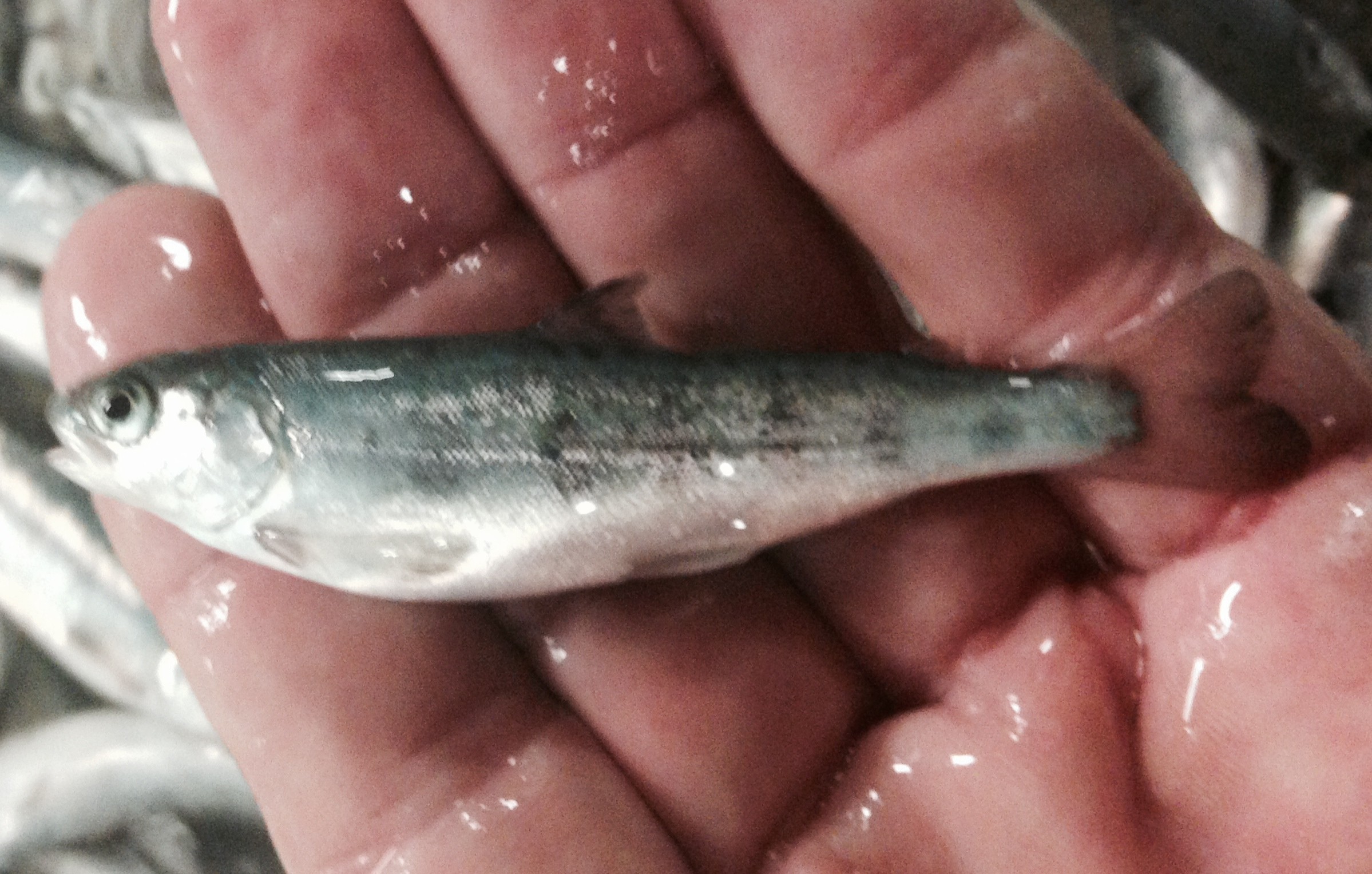
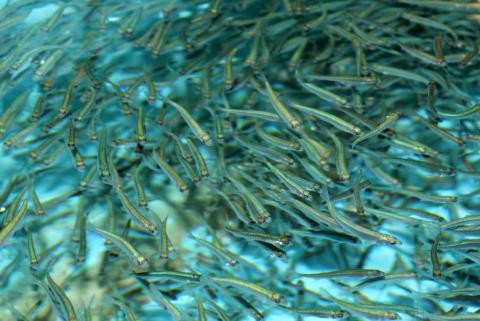
Ashlee Melhado (the Zoo’s 2014 Aab Pre-Vet Fellow) joined United States Geological Survey (USGS) biologists at USGS Tunison Aquatic Laboratory in Cortland, NY marking 20,000 lake herring fry (1 to 2 inches long) for future identification and tracking after release this fall.
The lake herring, a once abundant community native fish, had all but disappeared in Lake Ontario due to invasive species such as alewife and rainbow smelt. With invasive fish populations back in check, it’s time to repopulate our waterways with native species.
The marking system involved bathing the fish for four minutes in a harmless bone-binding drug which promotes a glow-in-the-dark appearance to the fish skeleton only when viewed under a special ultraviolet light. The 9,000 lake herring released in Irondequoit Bay in November 2013 will be joined by a similar number of labeled fish to be released this fall. Today’s new marking technology will help us monitor sustainable populations of reintroduced fish for years to come.
Welcome back home – our lake herring native!
– Dr. Jeff Wyatt, Director of Animal Health & Conservation
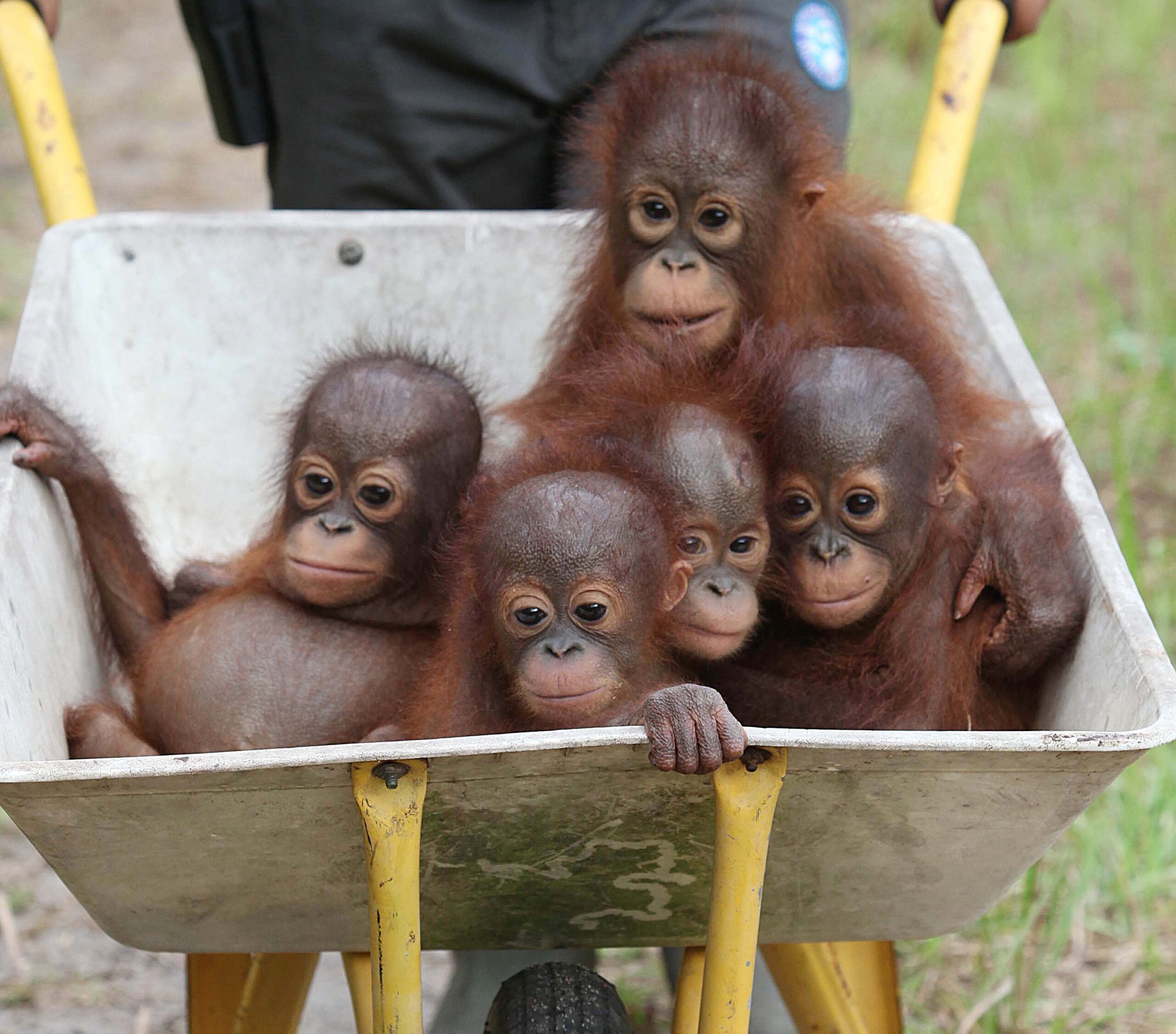
Our visit with International Animal Rescue‘s (IAR) veterinary staff of five, led by Dr. Karmele Llano Sanchez and Dr. Adi Irawan, highlighted the urgent need to rescue orangutans from illegal possession as well as heighten community awareness to keep orangutans free and wild in Gunung Palung National Park and adjacent protected lands. Sixty-four orangutans ranging from orphaned neonates to rescued adults inhabit the new 60-acre rehabilitation center between ASRI Klinik in Sukadana and Ketapang.
The younger orangutans leap and swing overhead in the treetops, following their caregivers across the forested rehabilitation center. Impressive progress has been made over the past two years since our last visit to IAR. The new two-phase $2 million rehabilitation center’s master plan is well on its way to being realized. Phase 1’s campus with five new buildings, including a well-equipped veterinary clinic with radiology, surgical and diagnostic facilities in addition to quarantine, diet prep, dormitory and keeper support buildings, all provide the best resources anywhere to care for orangutans in need. Vertical climbing structures and spacious pens have been constructed with many more currently underway. IAR has worked diligently with the community to save orangutans and habitat through education outreach, purchase and protection of habitat as well as joining the Roundtable for Sustainable Palm Oil (RSPO) for discussions promoting protection of endangered forest.
Photo by Jeff Wyatt
All of the antibiotics and parasite medicine purchased by Seneca Park Zoo’s American Association of Zoo Keepers (AAZK) Chapter were a welcomed addition to the clinic’s pharmacy. We enjoyed discussing very similar clinical challenges providing the best medical care to orangutans, be they in tropical Ketapang, Indonesia or snowy Rochester. Throughout our experiences and discussions we continued our “One Medicine – One Health” theme, connecting IAR orangutan and ASRI villager health initiatives all promoting a healthy habitat for wildlife and people.
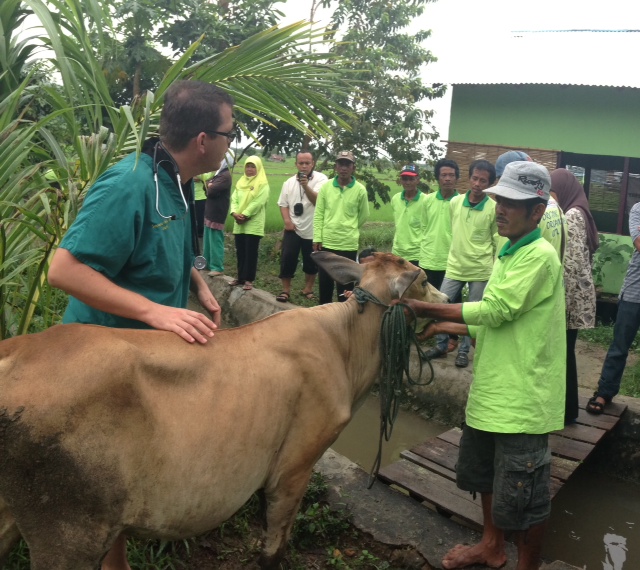
Learning traditional medicine (especially use of local plants and seeds from farmers) and carefully listening to their priorities for improving herd health and welfare, provide a capacity-building platform for our community workshops.
Our first training session attended by thirty cattle owners from many villages surrounding Gunung Palung National Park started with coffee, cake and introductions. Classes and discussions including livestock nutrition, parasitism, housing conditions, hoof health and reproduction followed. After lunch, we enjoyed a hands-on workshop examining cattle, comparing shelter construction strategies and using our very own special recipe for making mineral salt blocks for cattle and goats.
Networking in group workshops or one-on-one with farmers and widows helps us promote best practices in livestock care and manure composting for organic farming, ultimately improving garden soil conditions and saving forest from traditional slash-and-burn practices.