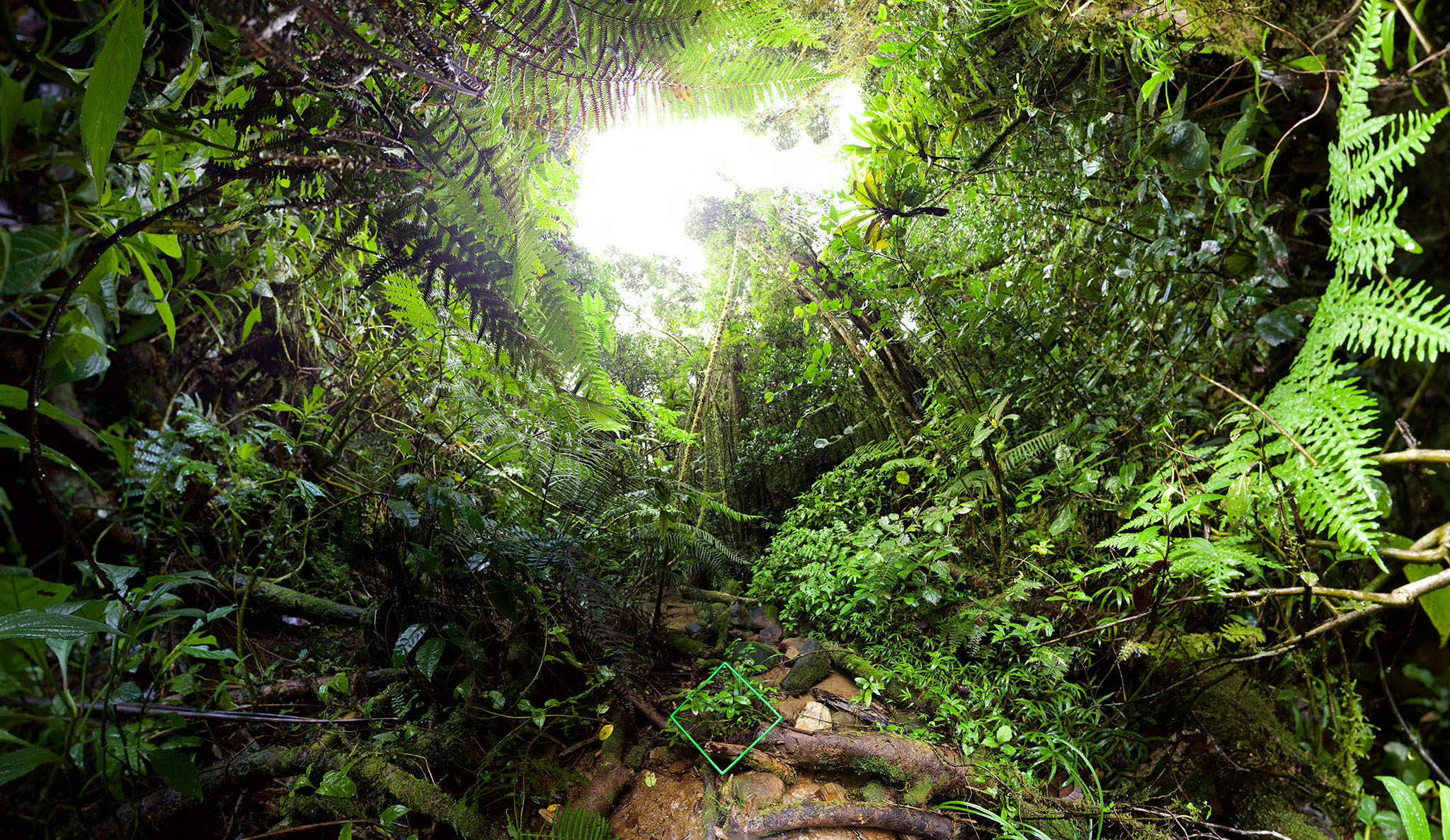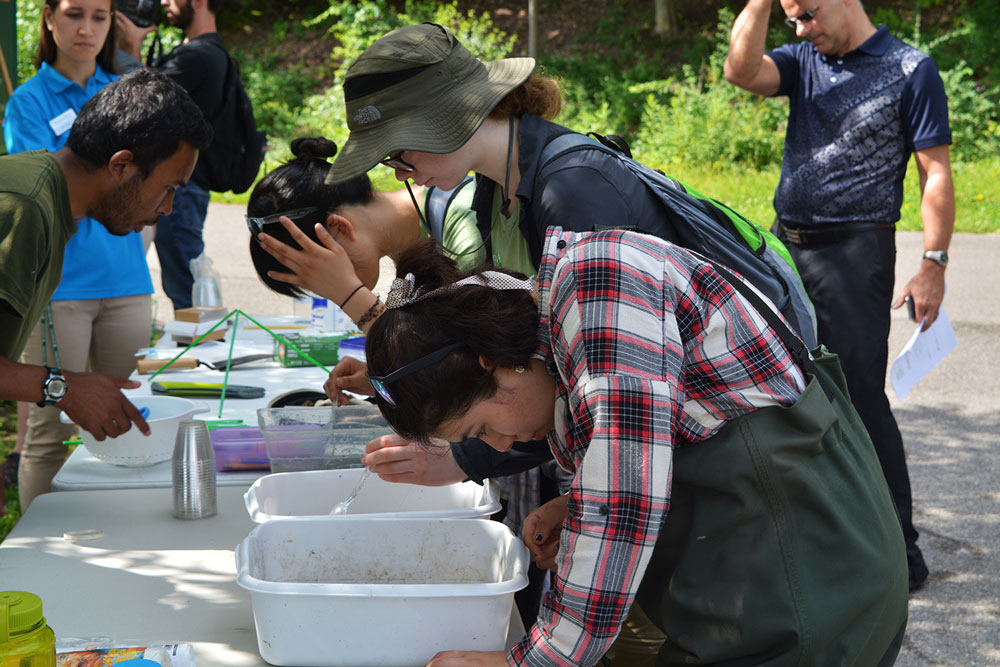
In my fourth week as the Communications Coordinator for the Seneca Park Zoo Society, I had the opportunity to spend one morning exploring Turning Point Park and the Genesee River through the lens of One Cubic Foot.
The Zoo’s mission to inspire the community to connect, care for, and conserve wildlife was one of my main attractions to this role, but I lacked knowledge of the organization’s conservation efforts off Zoo grounds. I would quickly learn that Seneca Park Zoo is actively involved in many initiatives, including One Cubic Foot, aimed at helping to protect and preserve ecosystems.
It was a beautiful day to be at Turning Point Park. The Zoo Society had partnered with The Nature Conservancy to bring members of its LEAF Program to Rochester and introduce them to the One Cubic Foot initiative. High school students from New York City, this next generation of conservation leaders was eager to discover species through an unfamiliar point of view – and so was I.
I went in with curiosity about how the One Cubic Foot initiative was important and relevant to my everyday life. Within minutes, my questions were answered. From pointing out invasive species as we walked along the park, to determining the best areas to place the cubes, I was in awe of the breadth of knowledge my colleagues have about the natural world around us.During the expedition, we observed the activity of and photographed very tiny species that I would have never thought about otherwise. But they all have a role in our ecosystem, and just like those animals, there’s more than what meet meets the eye when it comes to our Zoo.
Sharing the value of the One Cubic Foot initiative is just one of many things Seneca Park Zoo Society does to encourage others to engage in citizen science and become protectors of wildlife. In addition to the exhibits and on-site programming, there’s Zoo staff off grounds promoting our mission and making every effort to make a difference in the lives of animals.
Thanks to my experience at Turning Point Park, I not only gained a better understanding of the value of One Cubic Foot, but I learned to recognize and appreciate the rich biodiversity that can be found in small areas of our world. While there’s still much more to learn and discover, this trip showed me that I can begin connecting with nature in my own backyard. I simply just have to use my senses.
Mina Johnson – Communications Coordinator, Seneca Park Zoo SocietyLearn about other conservation projects
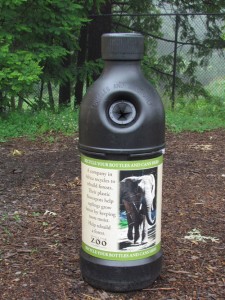 Use the bottle and can recycling bins around the Zoo to deposit any empty bottles as you explore. Better yet, bring your own reusable water bottle and fill it up at a water fountain when you visit!
 When you stop by the ZooShop for a souvenir of your day, ask to add a reusable bag in your purchase so you can carry your items home and use it again. On Earth Day, the ZooShop will aim not to use any paper bags.
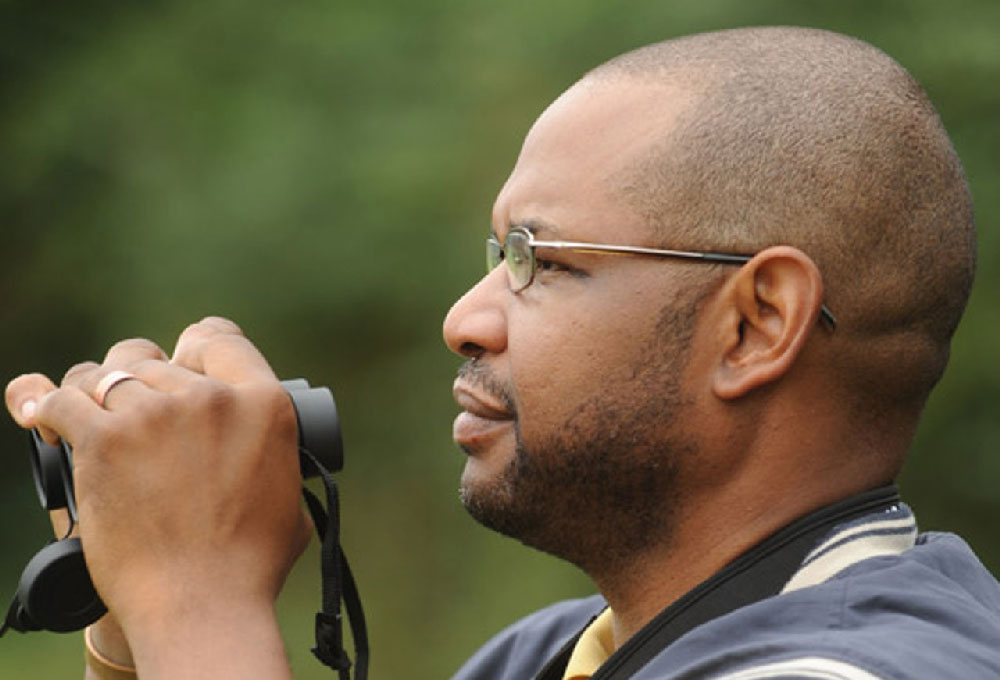
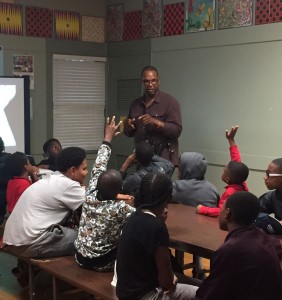 Before heading to a dinner with several Rochester community activists and influencers, Dr. Lanham made a stop at the City of Rochester Humbolt Recreation Center. There, he talked with a group of after-school program students about his experiences around the world as an academic and nature lover. He also encouraged the students to pick a dream and fly towards it–even if they had uncertainties. “We all have that special place that we can travel in our minds,” he pointed out to them. “Go there for inspiration.”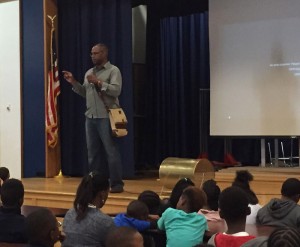
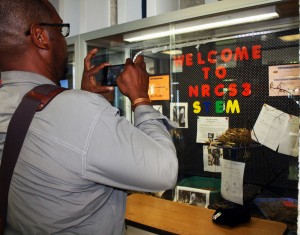
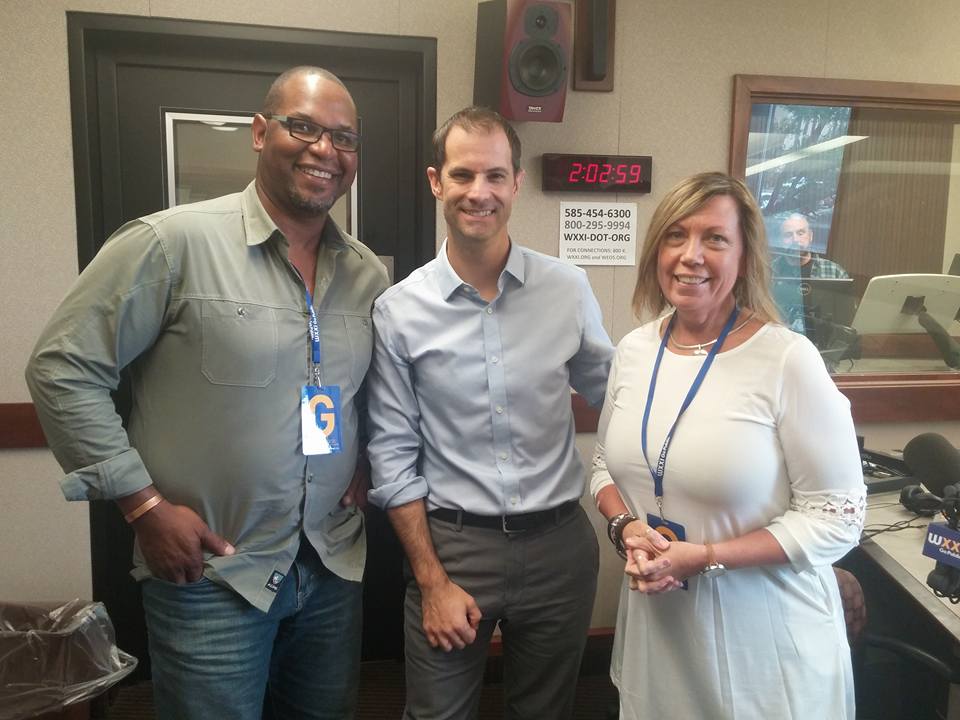
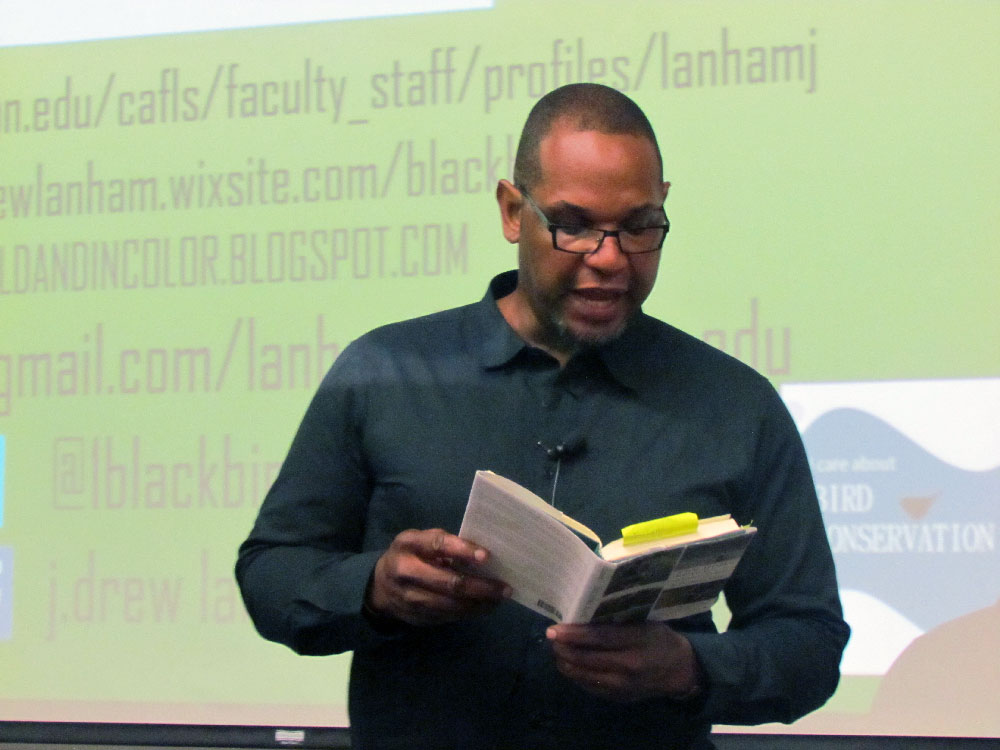 On Tuesday evening, Dr. Lanham traveled back to RIT to deliver a lecture titled The Uncomfortable Elephant Bird of Color in the Room: Addressing the Coming Changes in Conservation, cosponsored by RIT’s Office of Diversity and Inclusion.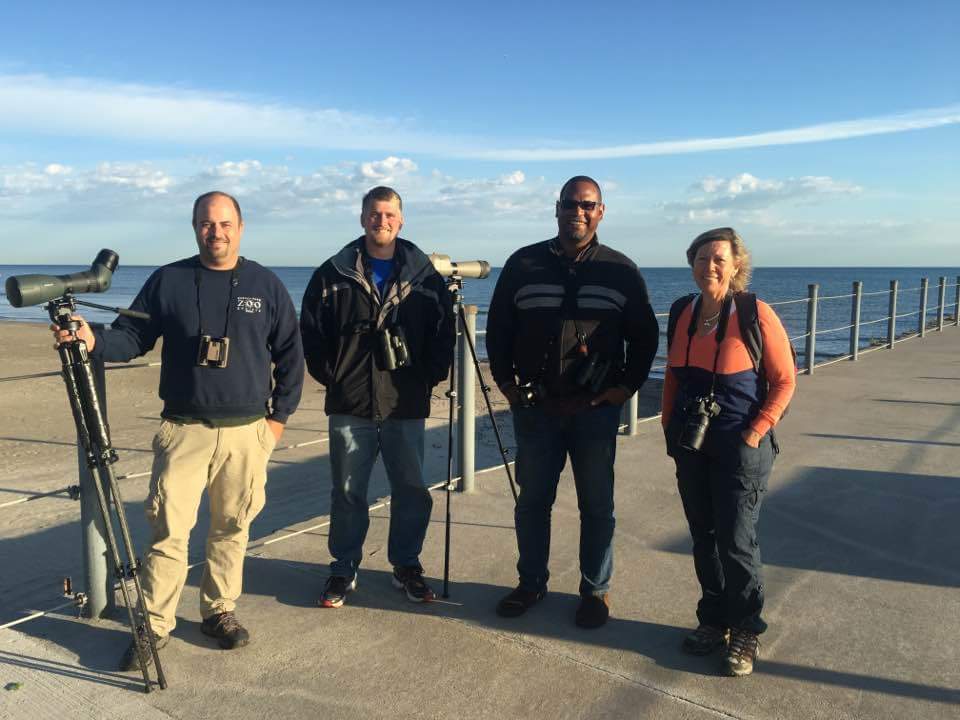
 One evening when I was sitting at dinner with Pat, Dominique – who was the One Cubic Foot team’s incredible guide each and every time we went out into the Park – pulled up a chair and handed Pat a piece of paper with a proud smile on his face. His daughter has been accepted to university. Pat got a broad smile on her face and cheered “Dominique that’s wonderful!” As it turns out, Pat personally pays for her employees’ children who attend high school ($500 annually) and college ($1,000). Their success is costing her quite a bit, and she wouldn’t have it any other way.