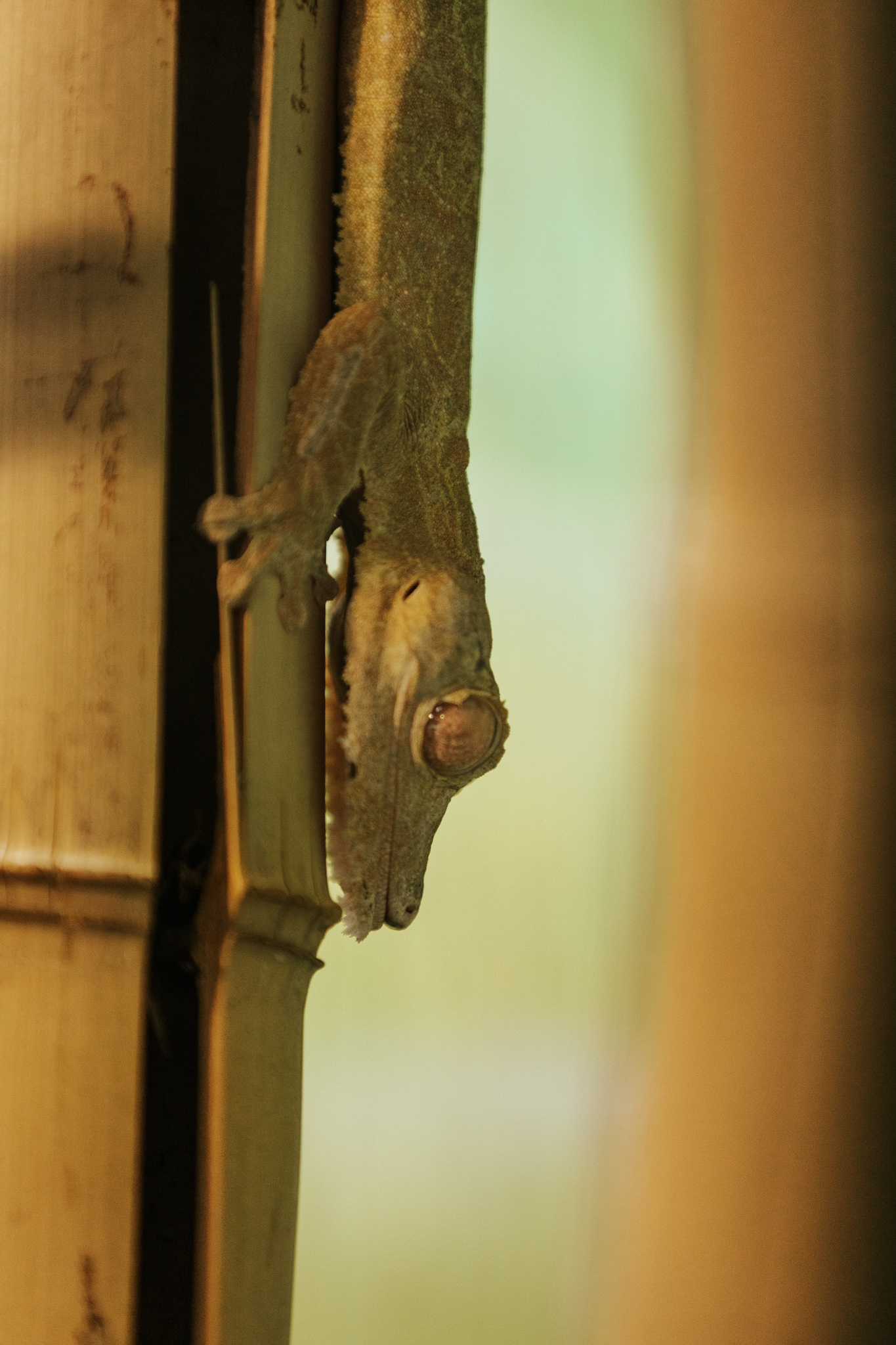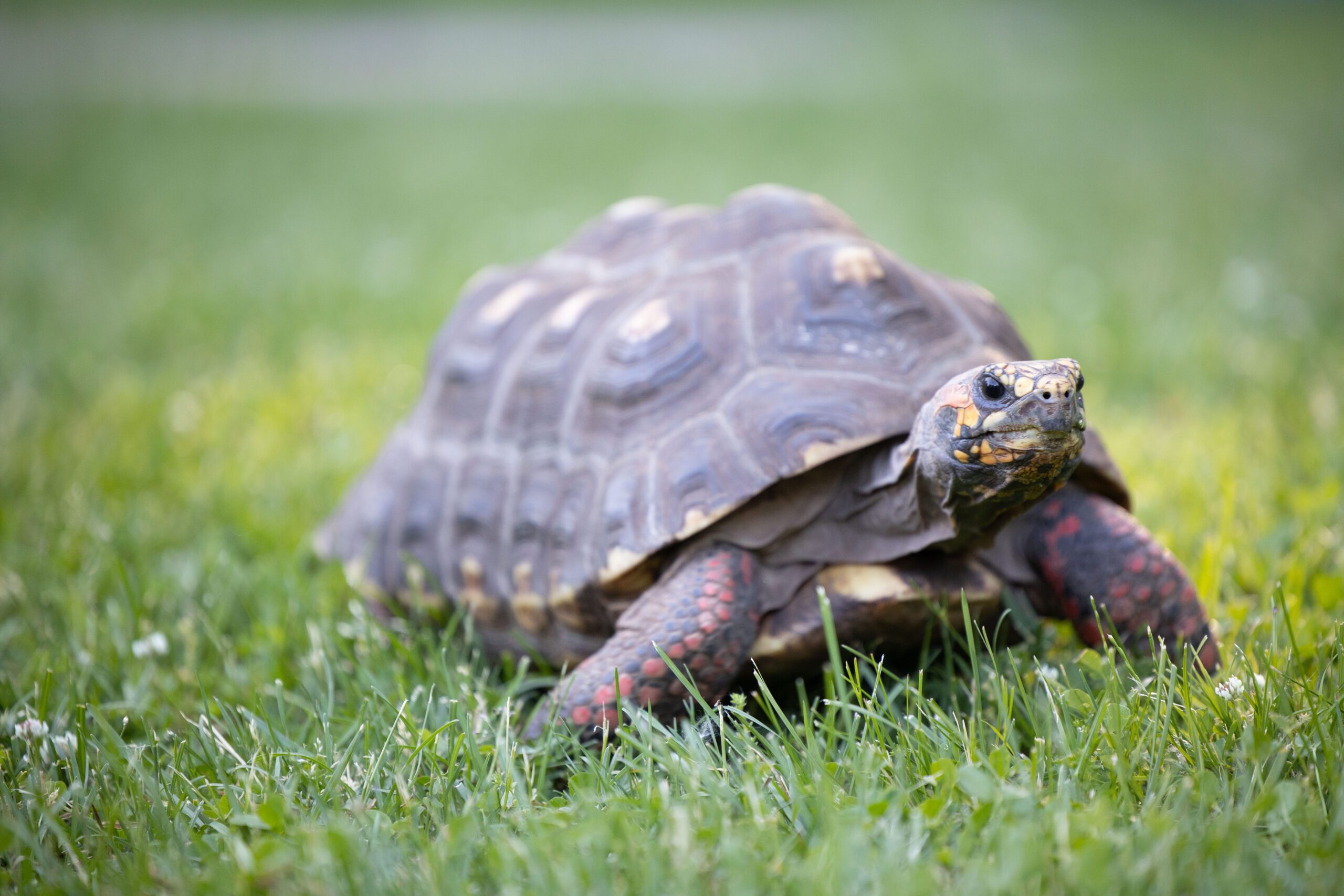
Red-Footed Tortoise (Ambassador Animal)

Red-Footed Tortoise

(Geochelone carbonaria)

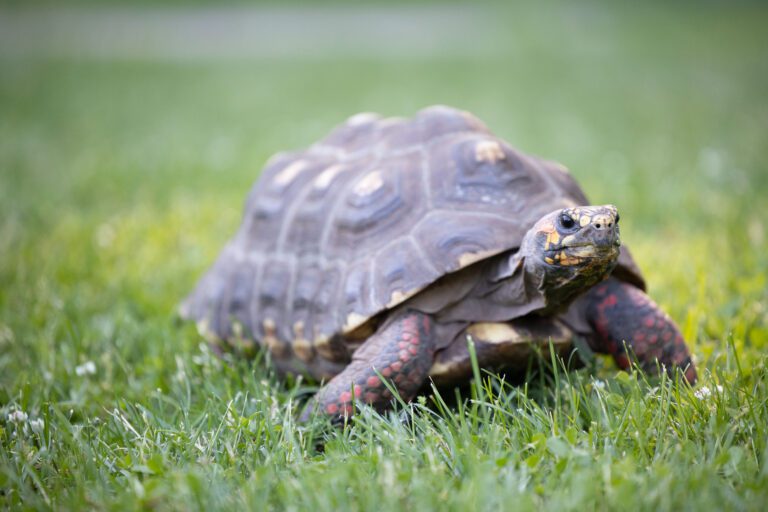
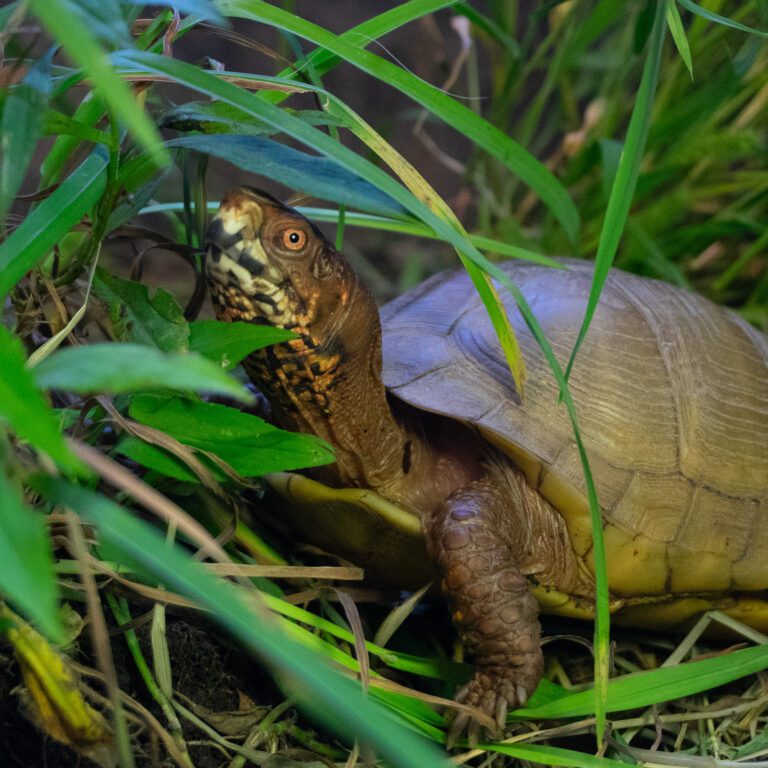
Koopa is the name of our female red-footed tortoise. She loves to eat grapes!

Animal Facts

Diet

The forest habitat provides the red-foot with an abundance of fallen fruits such as wild plum. It also eats wild mushrooms, vines, grasses, succulents and carrion, and is attracted to yellow and red flowers.

Status in The Wild

International Union for Conservation of Nature (IUCN) Red List status

The red-footed tortoise is found throughout extreme southern Central America, and central and northern South America

This includes the countries of Panama, Colombia, Venezuela, Guyana, Suriname, French Guyana, Brazil, Bolivia, Paraguay, and Argentina. Red-foots are commonly found in relatively-dry grassland and forests areas. They can also be found in humid forest habitat. Red-foots are protected under Appendix II of the CITES, meaning they may not be exported from its home country without a permit. In every country in its range, the biggest threat to the survival of the red-footed tortoise is hunting by man.
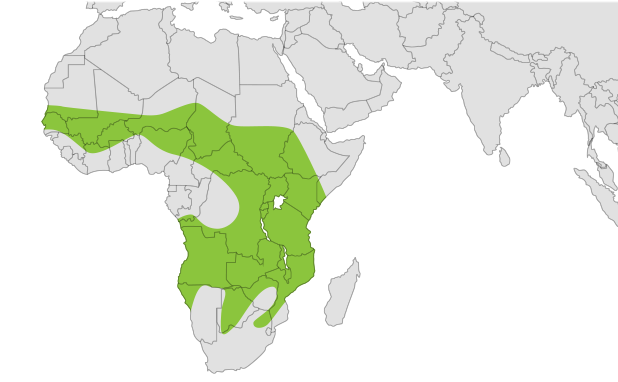
Spotted Turtle (Ambassador Animal)

Spotted Turtle

(Clemmys guttata)

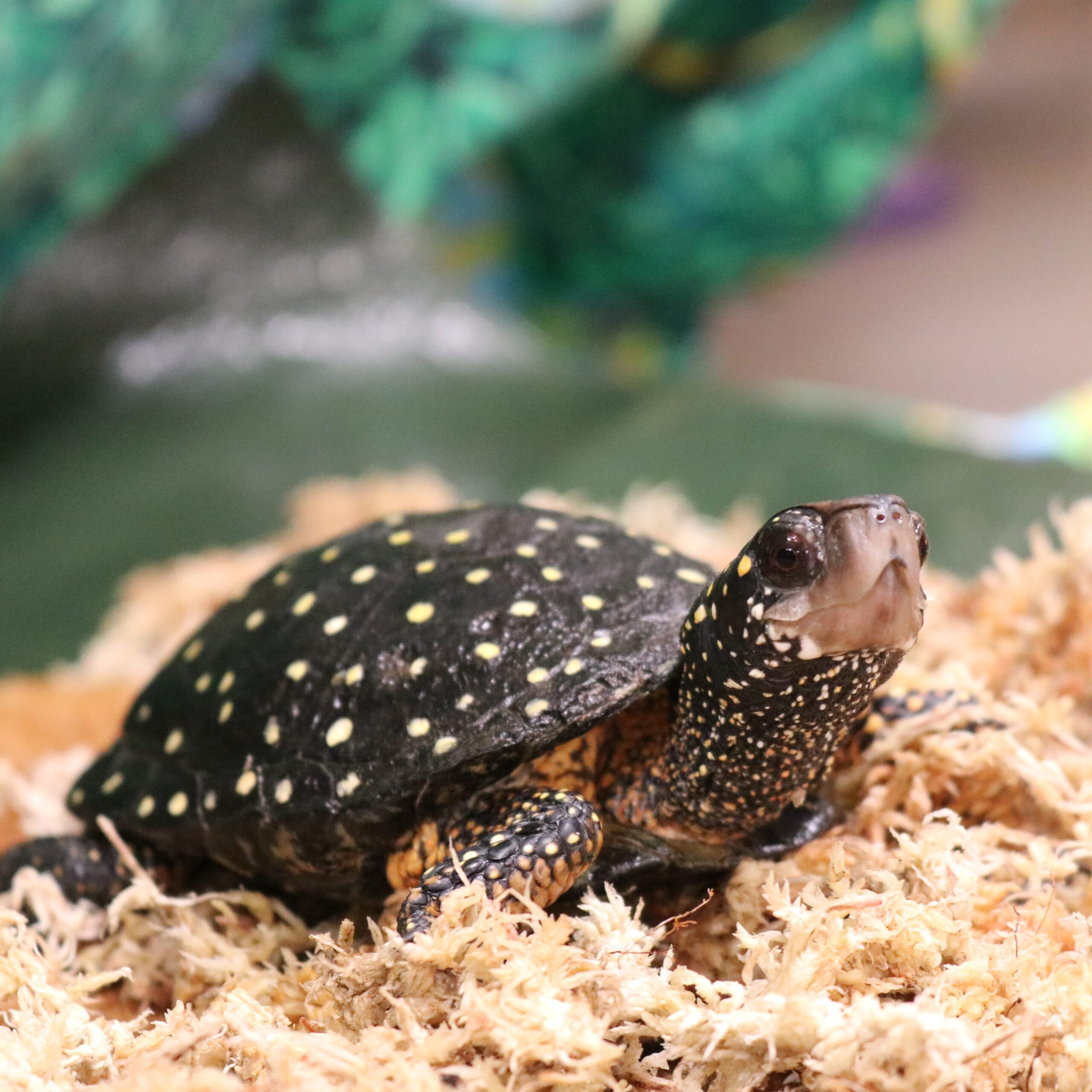
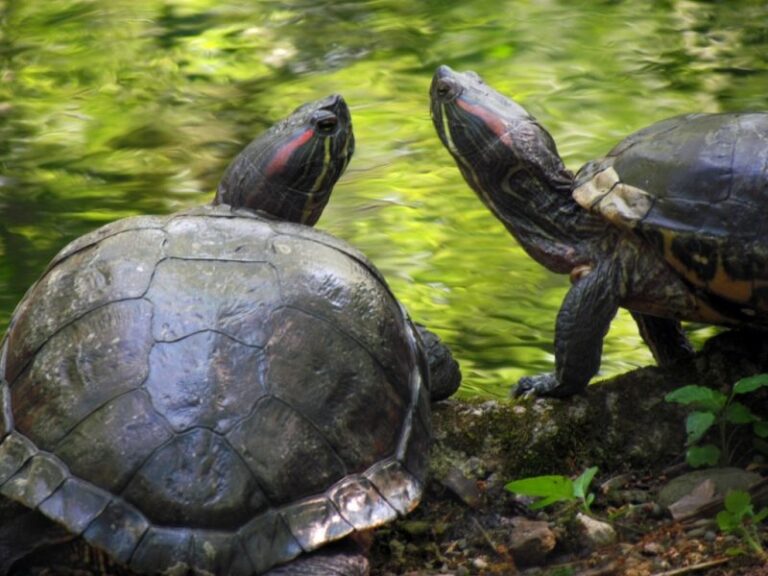
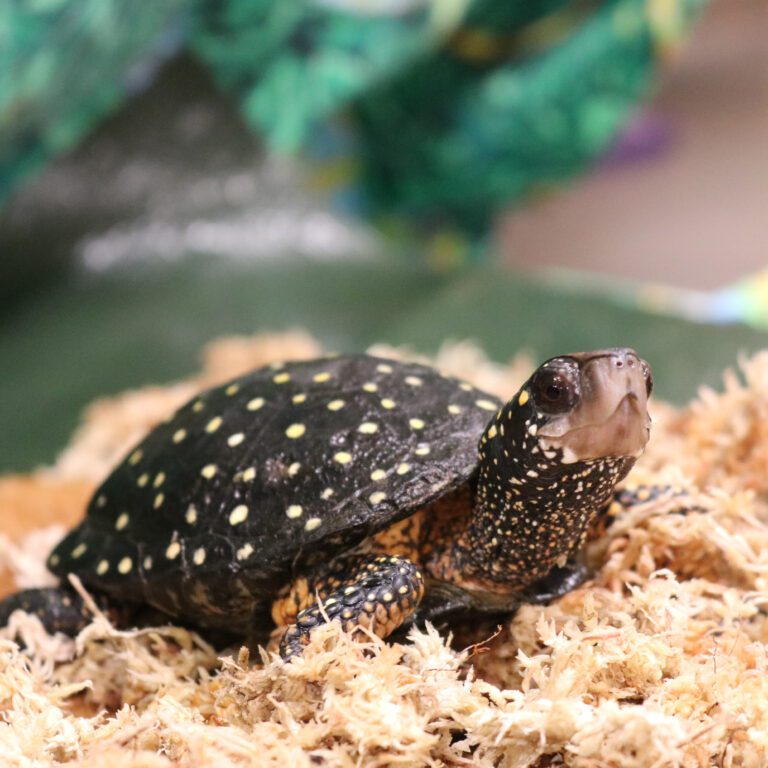
Seneca Park Zoo is home to two spotted turtles that are a part of the Zoo’s ambassador animal program.

Animal Facts

Diet

Spotted turtles are omnivores. They eat algae, water lily seeds, worms, slugs, grass, mollusks and amphibian eggs.

Status in The Wild

International Union for Conservation of Nature (IUCN) Red List status

These turtles are native to New York State and the Midwest.

In these areas, fragmentation and loss of wetland habitats has resulted in the population decline of the spotted turtle. The loss of this animal is also attributed to them being used in the pet trade industry.

Western Rat Snake (Ambassador Animal)

Western Rat Snake

(Pantherophis obsoletus)

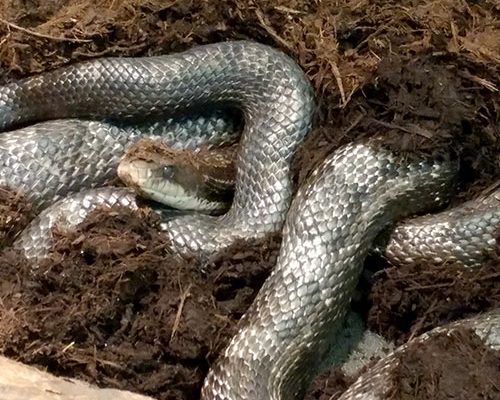
Seneca Park Zoo is home to one western rat snake, a male named Pugsly. The rat snakes are a part of the Zoo’s ambassador animal program.

Animal Facts

Diet

The western rat snake is an opportunistic feeder, meaning it will go after a wide range of available prey including mice, rats, other snakes, lizards, bird eggs, songbirds, squirrels, and frogs. These snakes can go for more than a week without food.

Status in The Wild

International Union for Conservation of Nature (IUCN) Red List status

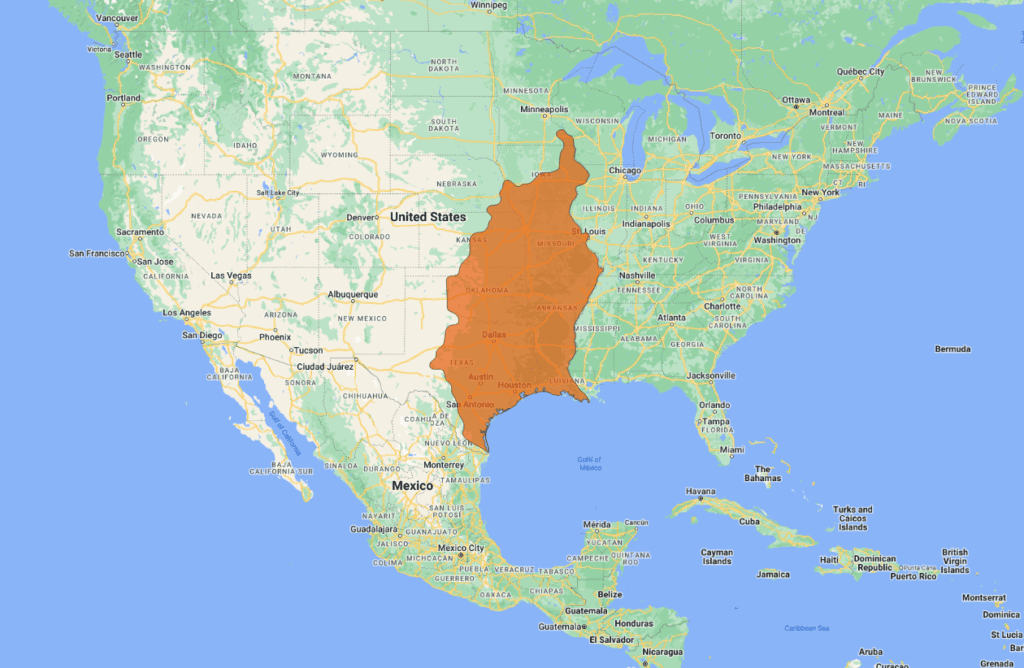
The western rat snake has one of the largest distributions of all common rat snakes. They can be found in northern New York down through Georgia, and west across Alabama, Mississippi, and Louisiana. Similarly, they can also be found in a wide range of habitats, from sea level to high elevations, such as the Appalachian Mountains, to rocky hillsides and flat farmlands.

The western rat snake is listed as least concern by the International Union for Conservation of Nature (IUCN), in view of its wide distribution, tolerance of moderate habitat modification, and presumed large population. However, they occasionally become victims of roadkill and also get killed by humans when mistaken for venomous snakes.
Madagascar Tree Boa (Ambassador Animal)

Madagascar Tree Boa

(Sanzinia madagascariensis)

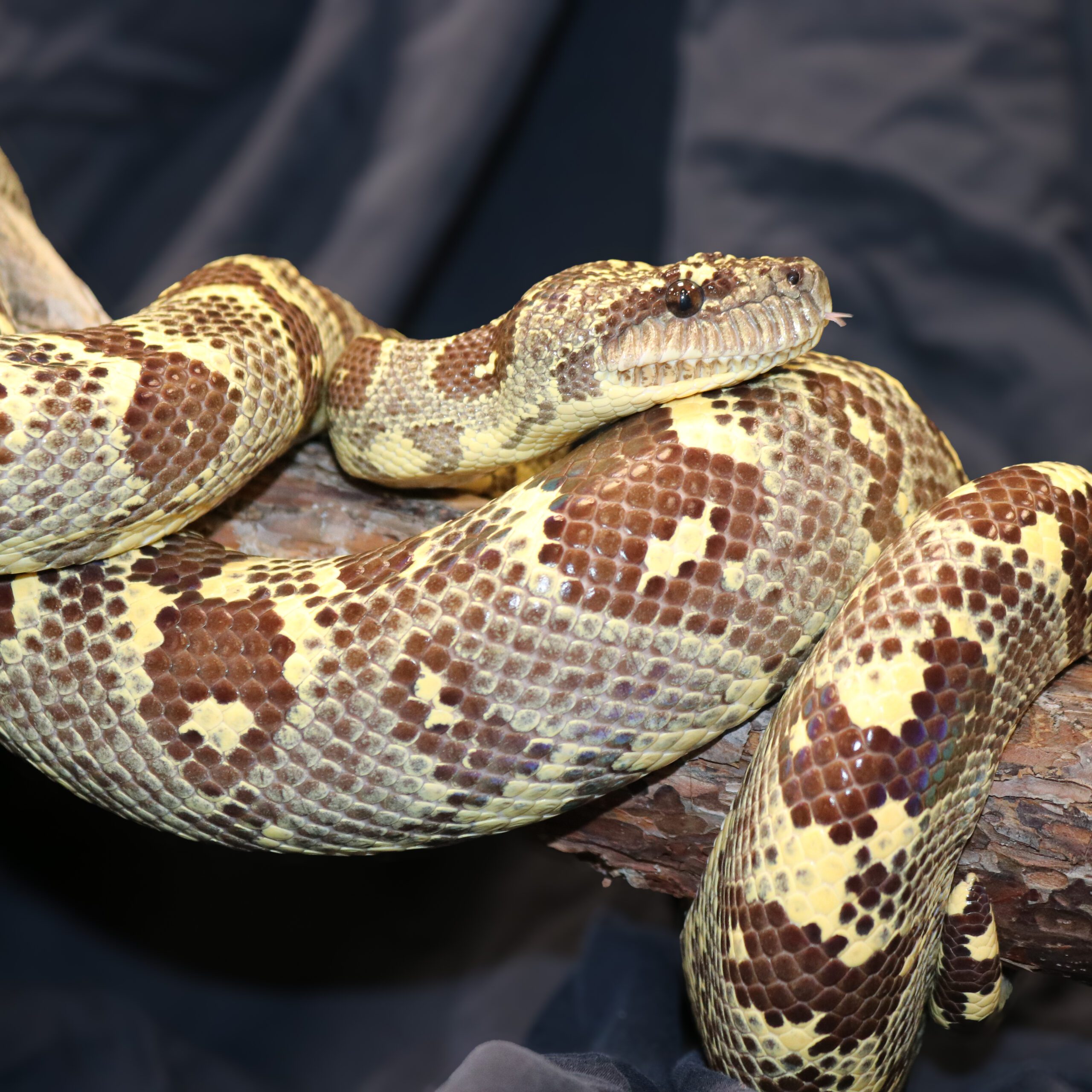
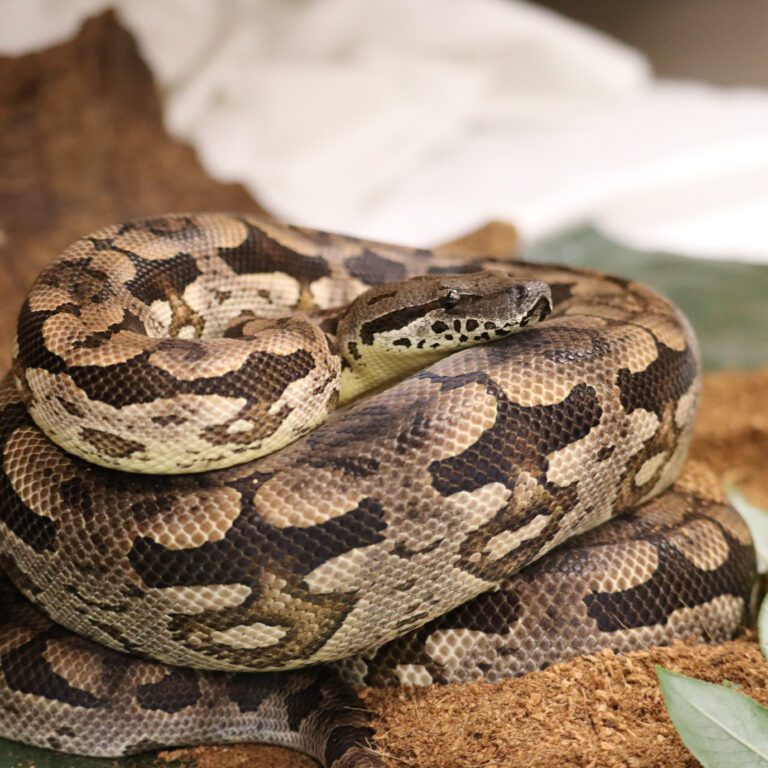
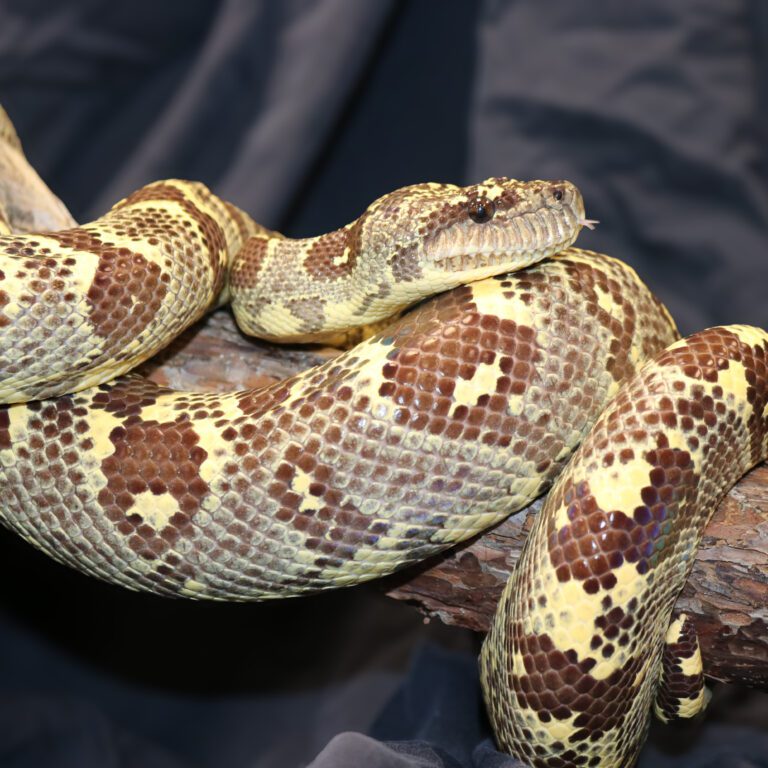
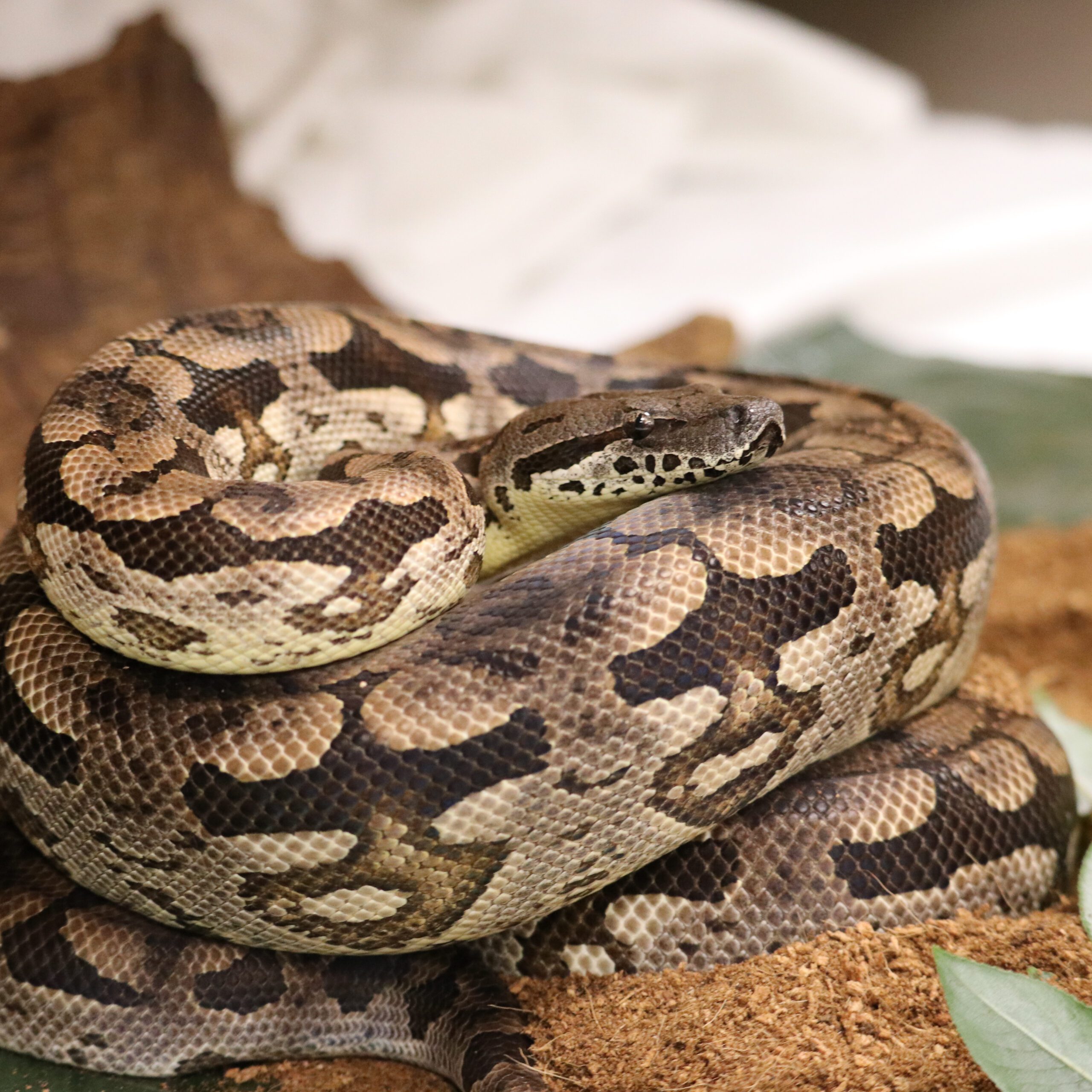
There is one male Madagascar tree boa at Seneca Park Zoo. He was born in 2007 and came to the Zoo in 2015.

Animal Facts

Diet

Madagascar tree boas feed primarily on birds, bats and small, ground-dwelling mammals.

Status in The Wild

International Union for Conservation of Nature (IUCN) Red List status

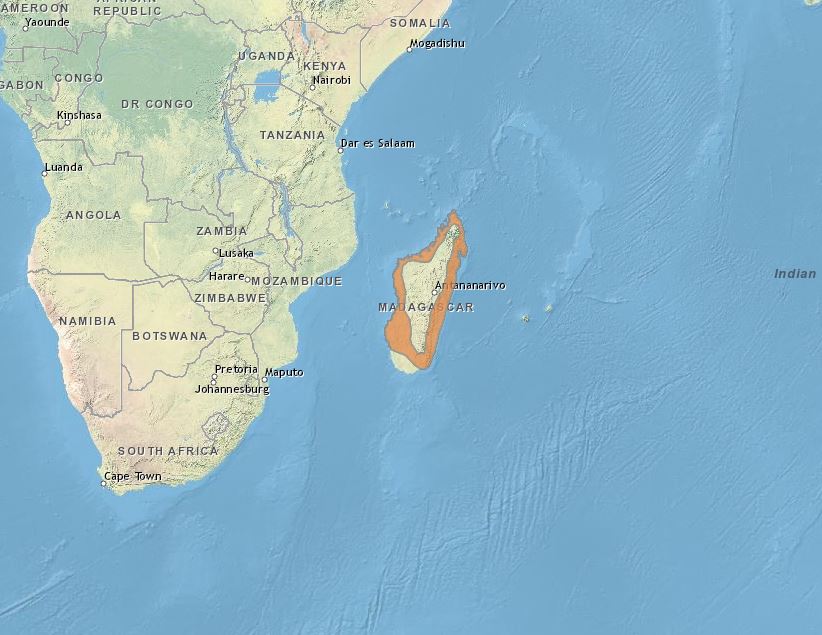
This snake is found solely on the island of Madagascar and on the small nearby island of Nosy Be. It can be found throughout the islands’ forested habitats, primarily where water is nearby.

Though very common throughout Madagascar, these snakes are still considered at risk. Their habitat is being lost through deforestation and mining. It is believed that only 15% of Madagascar’s original forested areas remain. Listed as CITES Appendix I, which means that it is threatened with extinction and CITES prohibits international trade except when the purpose of the import is not commercial, (example: scientific research). Though sales are prohibited, there is still a problem with illegal pet trade.

Dumeril’s Ground Boa (Ambassador Animal)

Dumeril's Ground Boa

(Acrantophis dumerili)

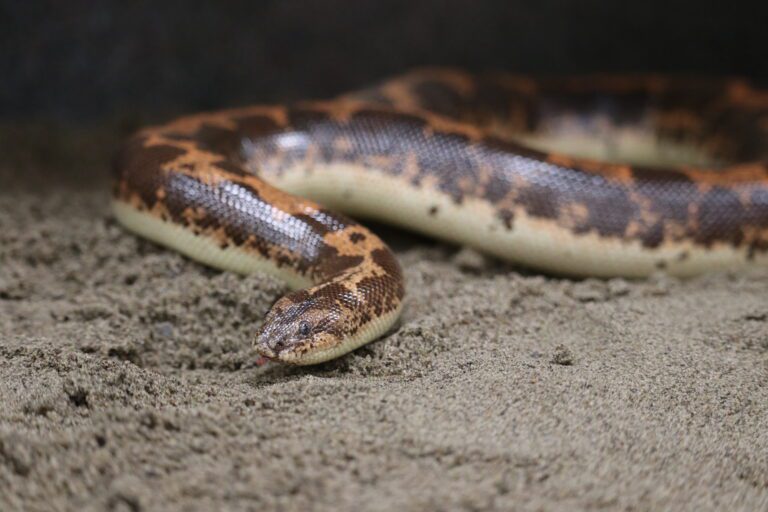
The Zoo is home to two Dumeril’s ground boas, a female named Ursula and her male offspring, Triton. Ursala’s habitat can be found inside the Creatures of the River’s Edge building. Triton was born at the Zoo in August 2018 and is currently a part of the Zoo’s ambassador animal collection.

Animal Facts

Diet

Small animals such as birds, lizards and frogs.

Status in The Wild

International Union for Conservation of Nature (IUCN) Red List status

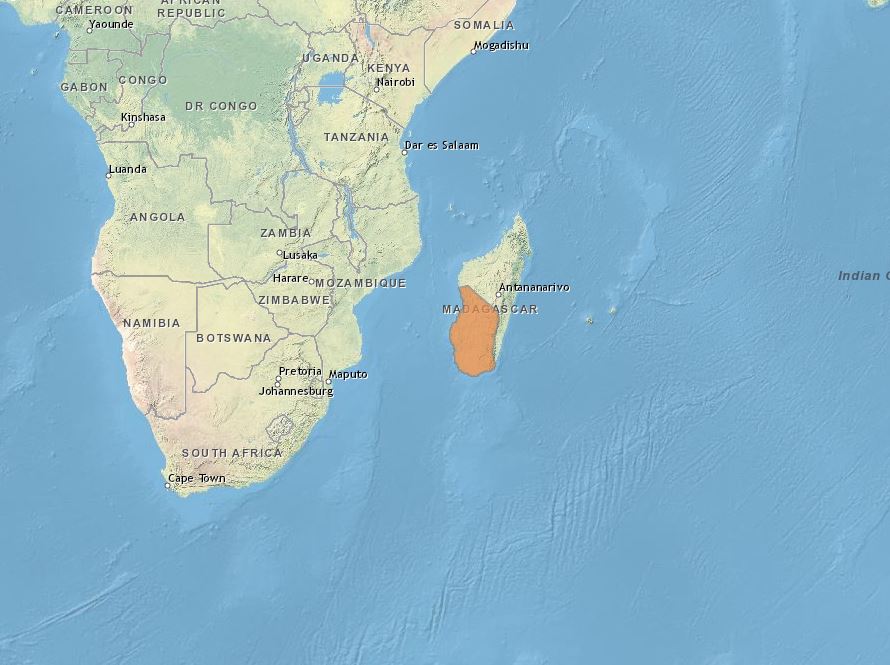
The Dumeril’s ground boa is found along the western coast and southwestern regions of Madagascar. The preferred habitat of this reptile is a semi-arid forested area with low amounts of rainfall.

Listed as CITES Appendix I, which puts strict limits on its exportation from Madagascar. Their numbers are declining due to habitat destruction in order to create agricultural areas or grazing for livestock; they are killed due to fear and superstition. Their skins are sold in the markets of Madagascar as well as other countries. They are also exported to be sold in the pet trade.

Great Plated Lizard

Great Plated Lizard

(Gerrhosaurus major)

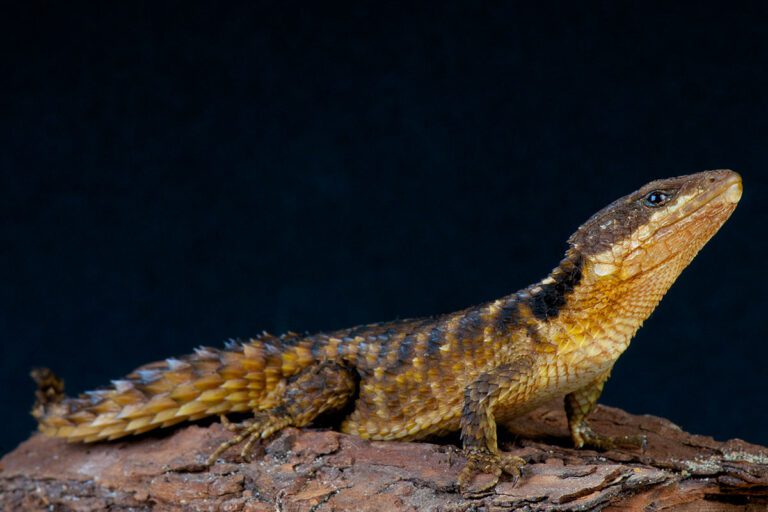
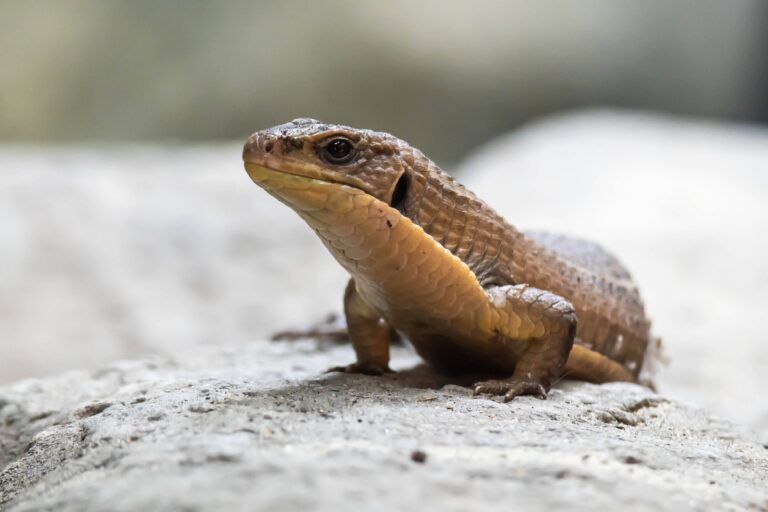
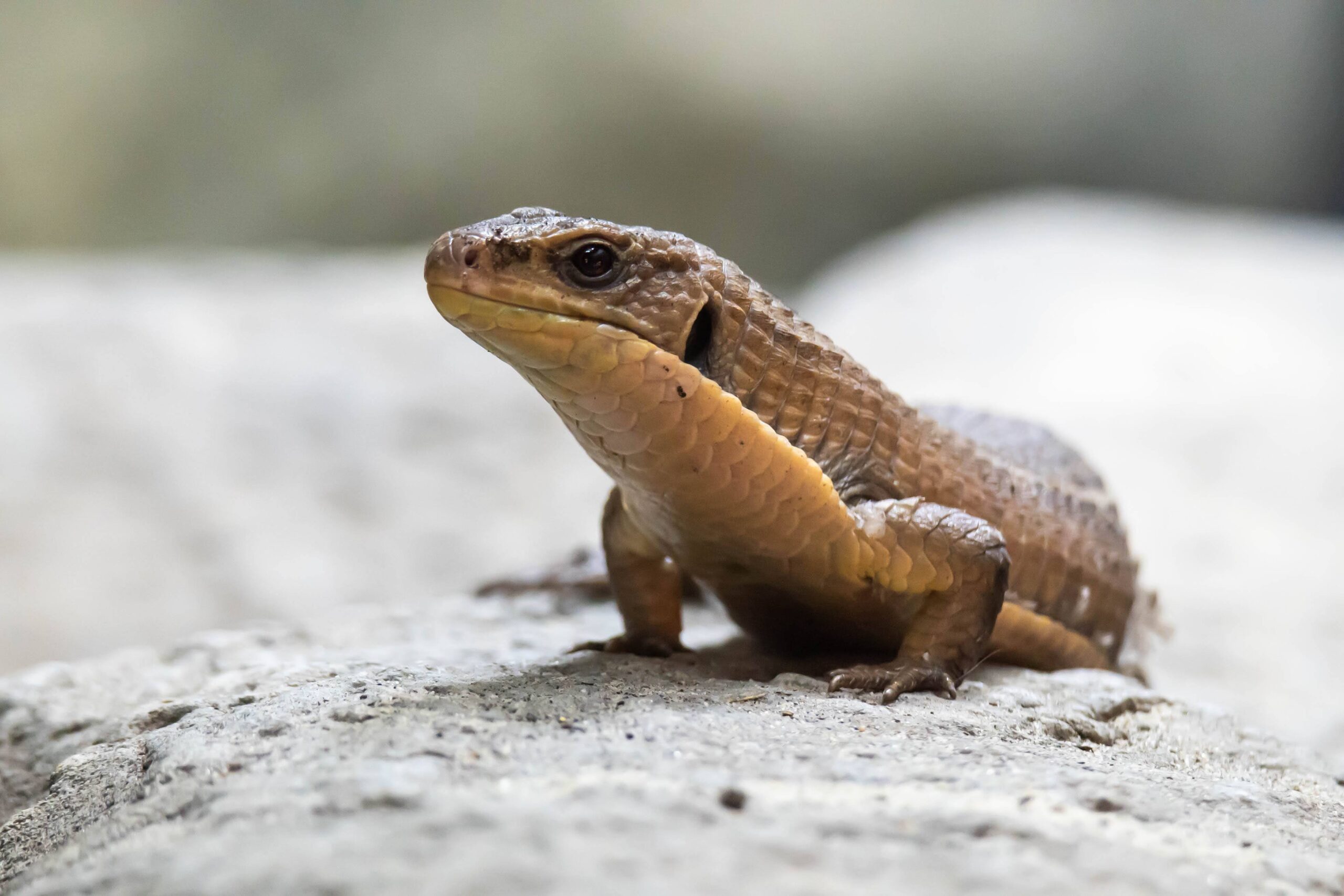
There is one great plated lizard here at the Zoo, a male born in 2016. He came to the Zoo in 2017 from Brookfield Zoo. Great plated lizards have a short head, large eyes and a tail that is usually twice the length of its body. The legs appear delicate because they are smaller than other lizards, such as iguanas. This reptile has rough scales on its head.

Animal Facts

Diet

Young lizards will eat fruits, leaves and other vegetation as well as insects, spiders and other small invertebrates. In conservation care, older animals will eat small mice/rodents and commercial canned dog food.

Status in The Wild

International Union for Conservation of Nature (IUCN) Red List status

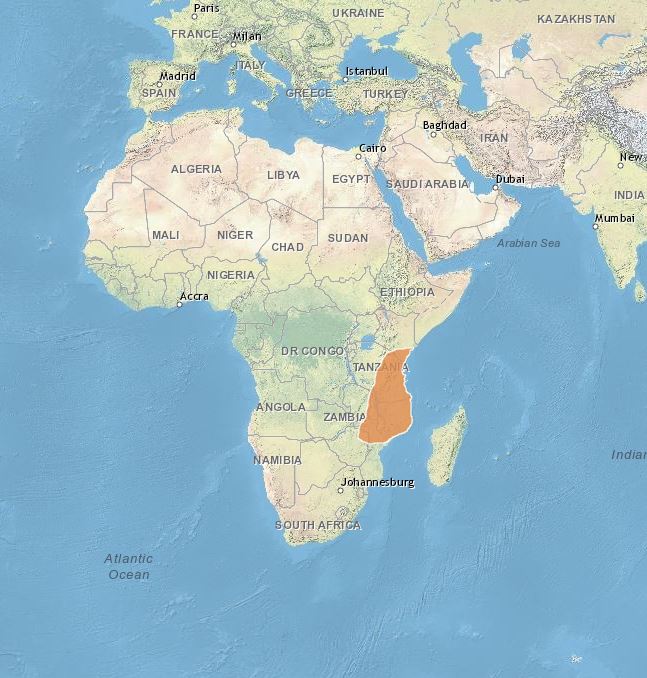
Ranges from eastern Kenya, Tanzania and Mozambique. Lives on rocky hills where sparse vegetation grows. They will hide in the cracks of the hills or between rocks.

Henkel’s Leaf-Tailed Gecko

Henkel's Leaf-Tailed Gecko

(Uroplatus henkeli)

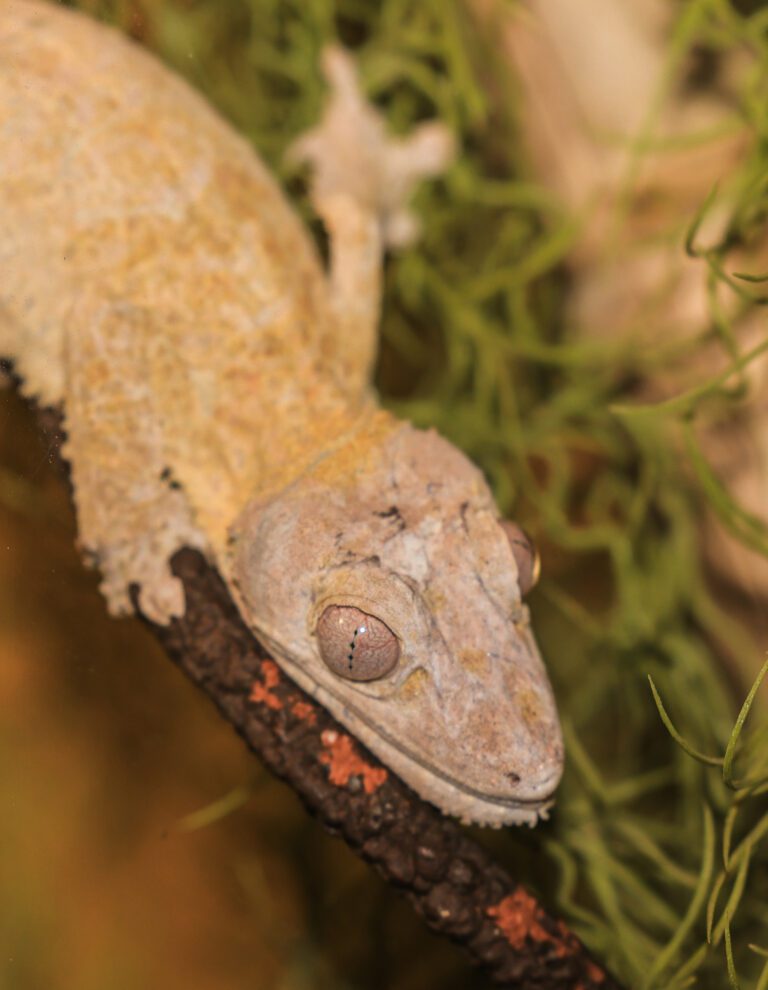
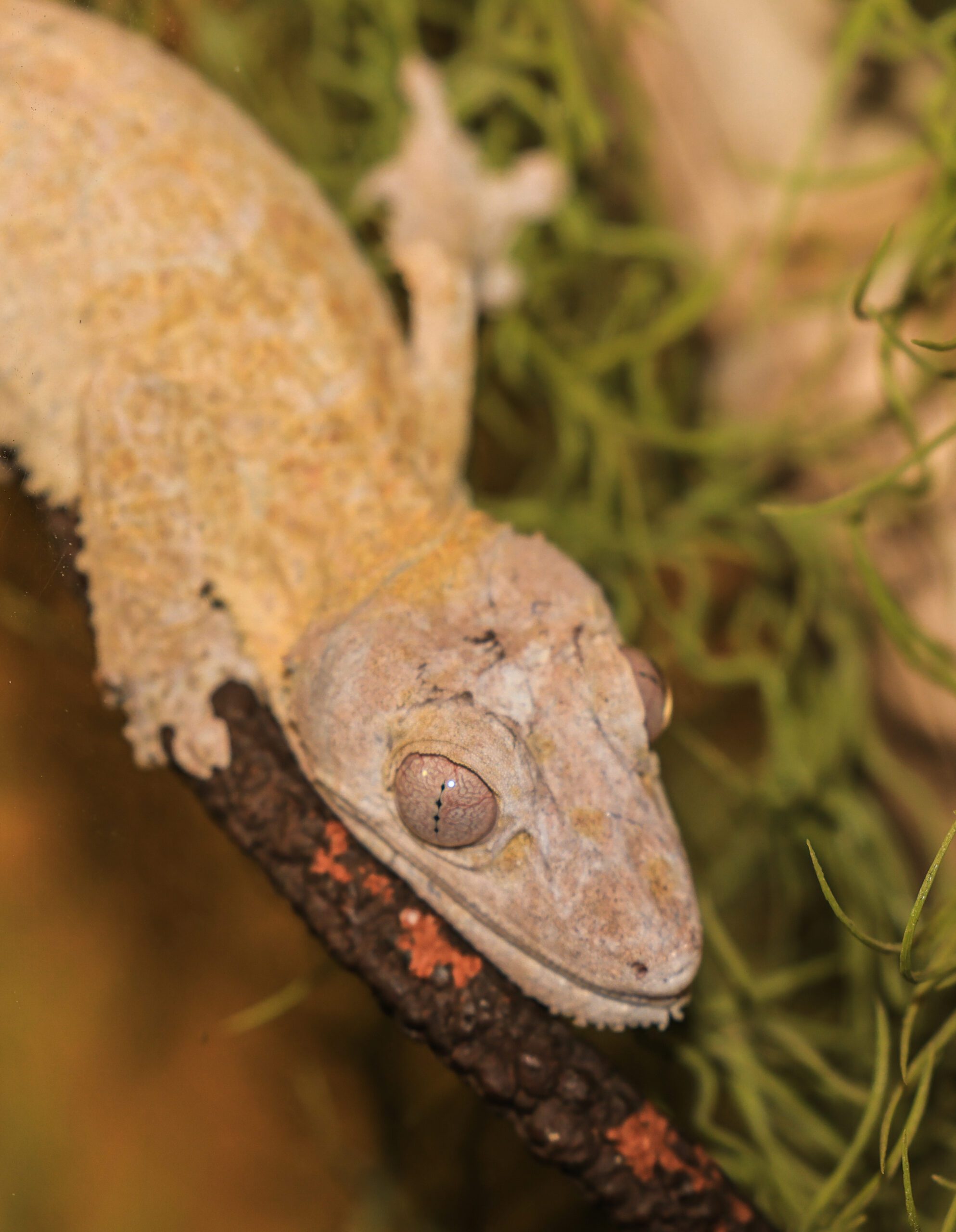
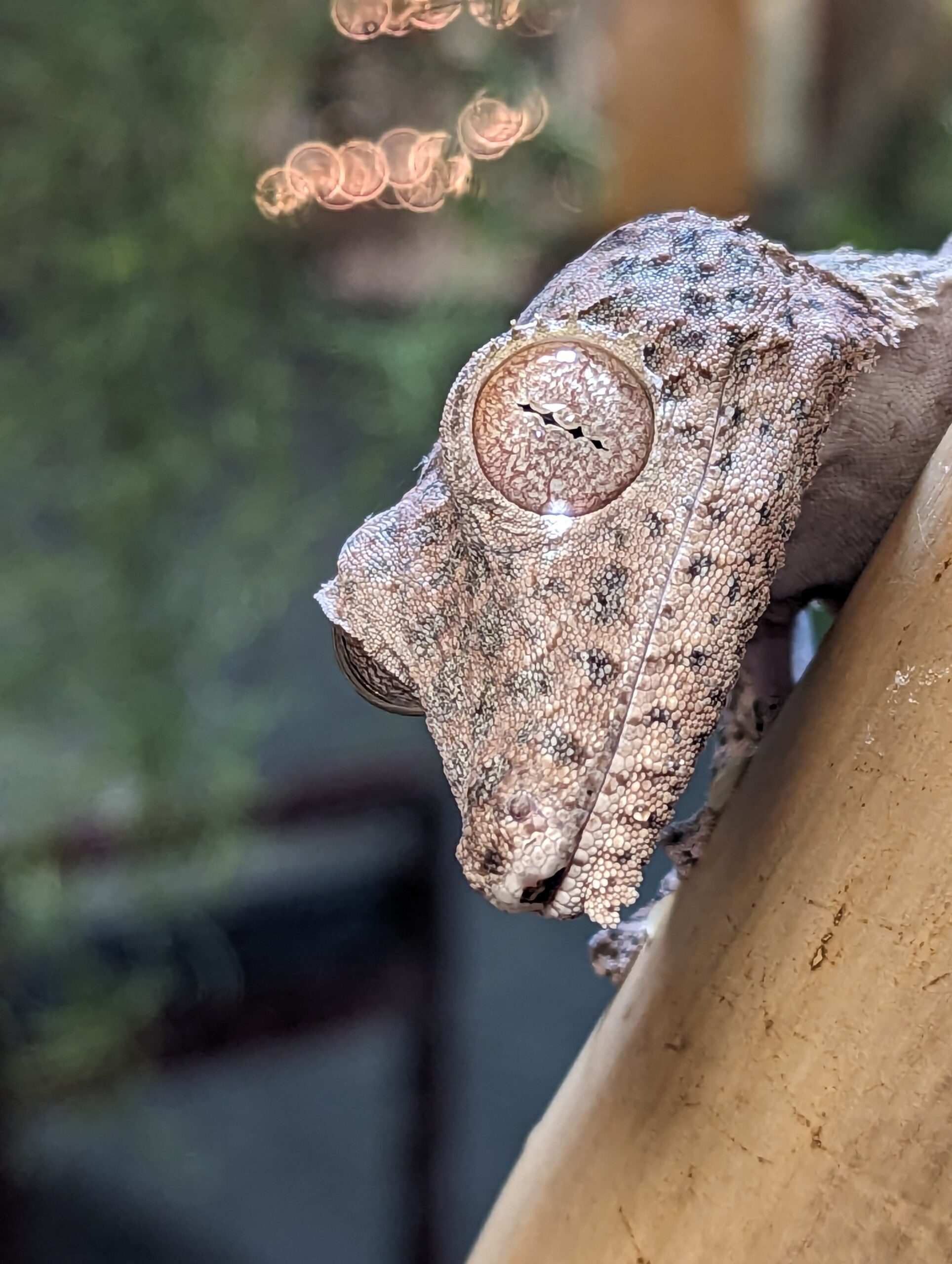
Seneca Park Zoo is home to six leaf-tailed geckos. Their habitats can be found inside the Creatures of the River’s Edge building; 3 reside in their on habitat while 3 are in the giant Madagascar Green Gecko habitat.

Animal Facts

Diet

Carnivorous. Eats primarily insects and arachnids, but may also eat some snails.

Status in The Wild

International Union for Conservation of Nature (IUCN) Red List status

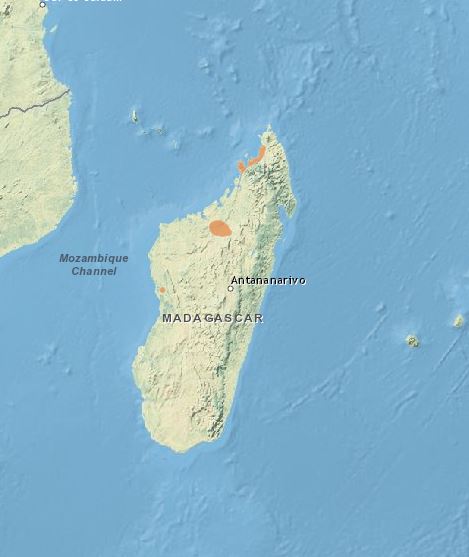
Inhabits lower levels of trees in dense, low-altitude rainforest in four separated areas in Western and Northern Madagascar.

Pancake Tortoise (Ambassador Animal)

Pancake Tortoise

(Malacochersus tornieri)

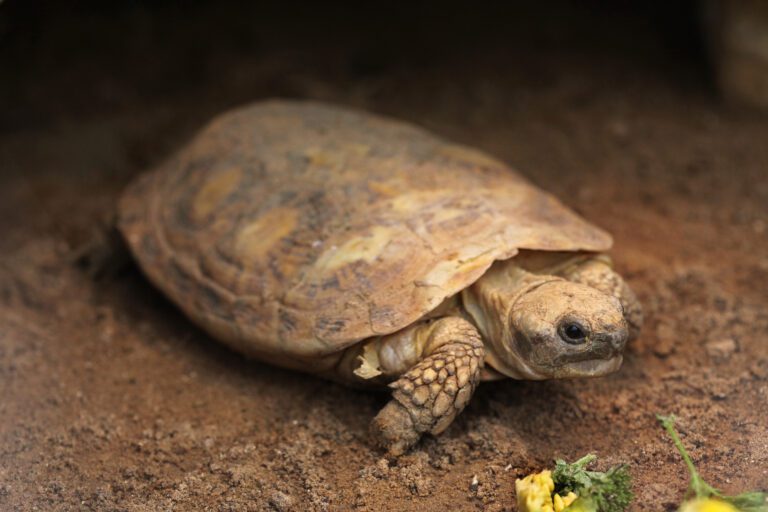
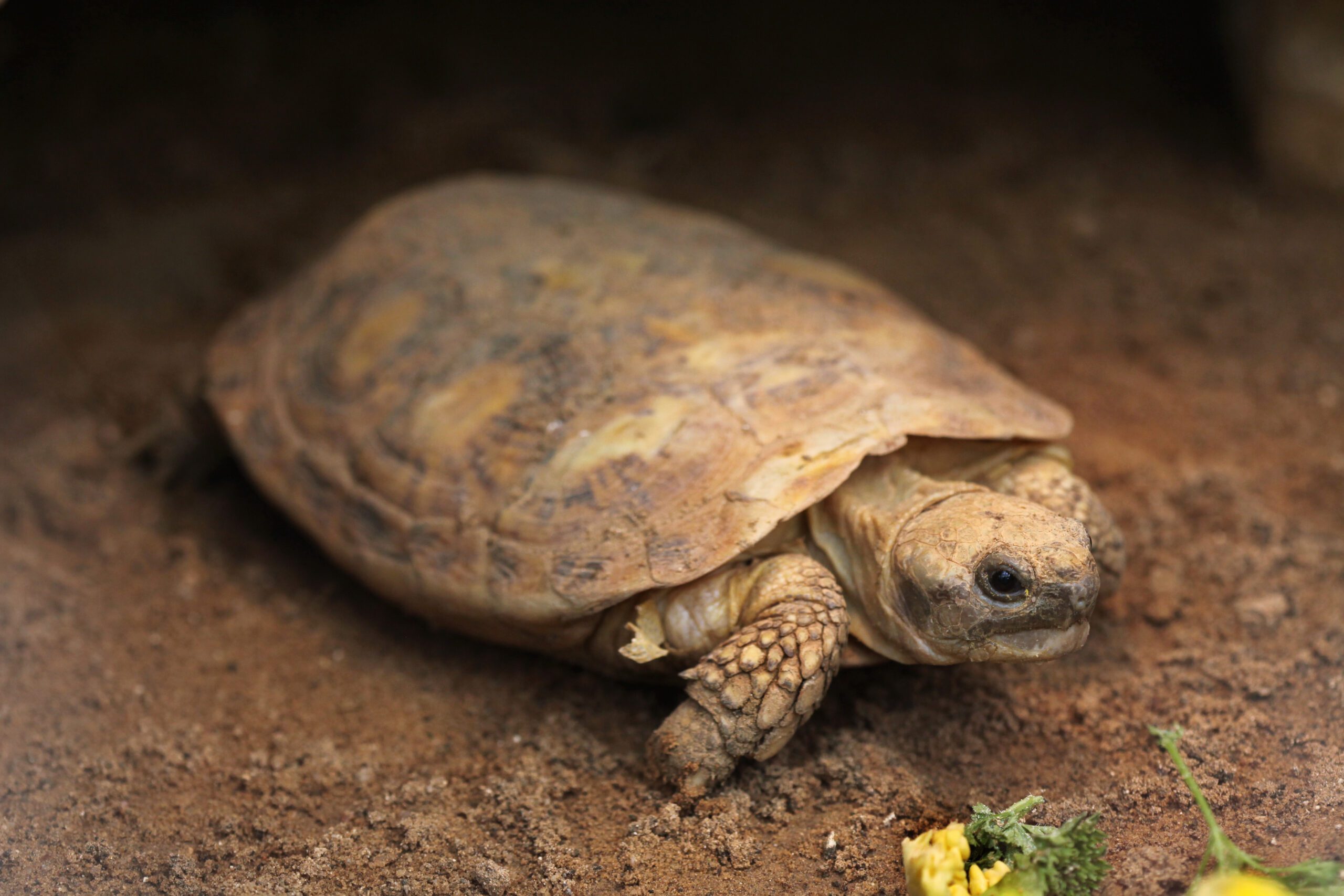
Seneca Park Zoo is home to three Pancake tortoises, one male and two female. A male and a female reside inside the Animals of the Savanna building, while the second female serves as a program animal.

Animal Facts

Diet

Pancake tortoises are strictly herbivorous. They eat dry grasses, fallen fruits and available vegetation.

Status in natural range

International Union for Conservation of Nature (IUCN) Red List status

These tortoises inhabit isolated locations in eastern Africa, from Kenya to Tanzania. The habitat they prefer is areas of small hills with rocky outcropping in arid thornbrush.

Pancake tortoises are popular in the pet trade, which has made them considerably vulnerable in the wild. Habitat loss in Africa combined with a slow reproductive rate make this species’ recovery difficult.

African Bush Viper

African Bush Viper

(Atheris squamigera)

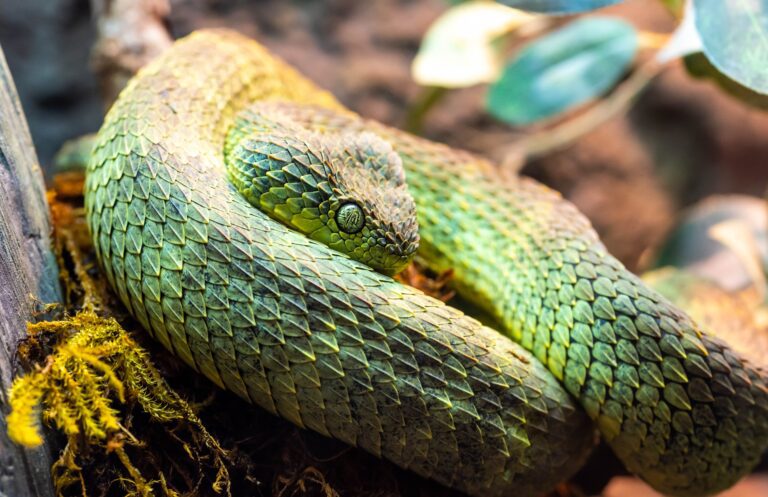
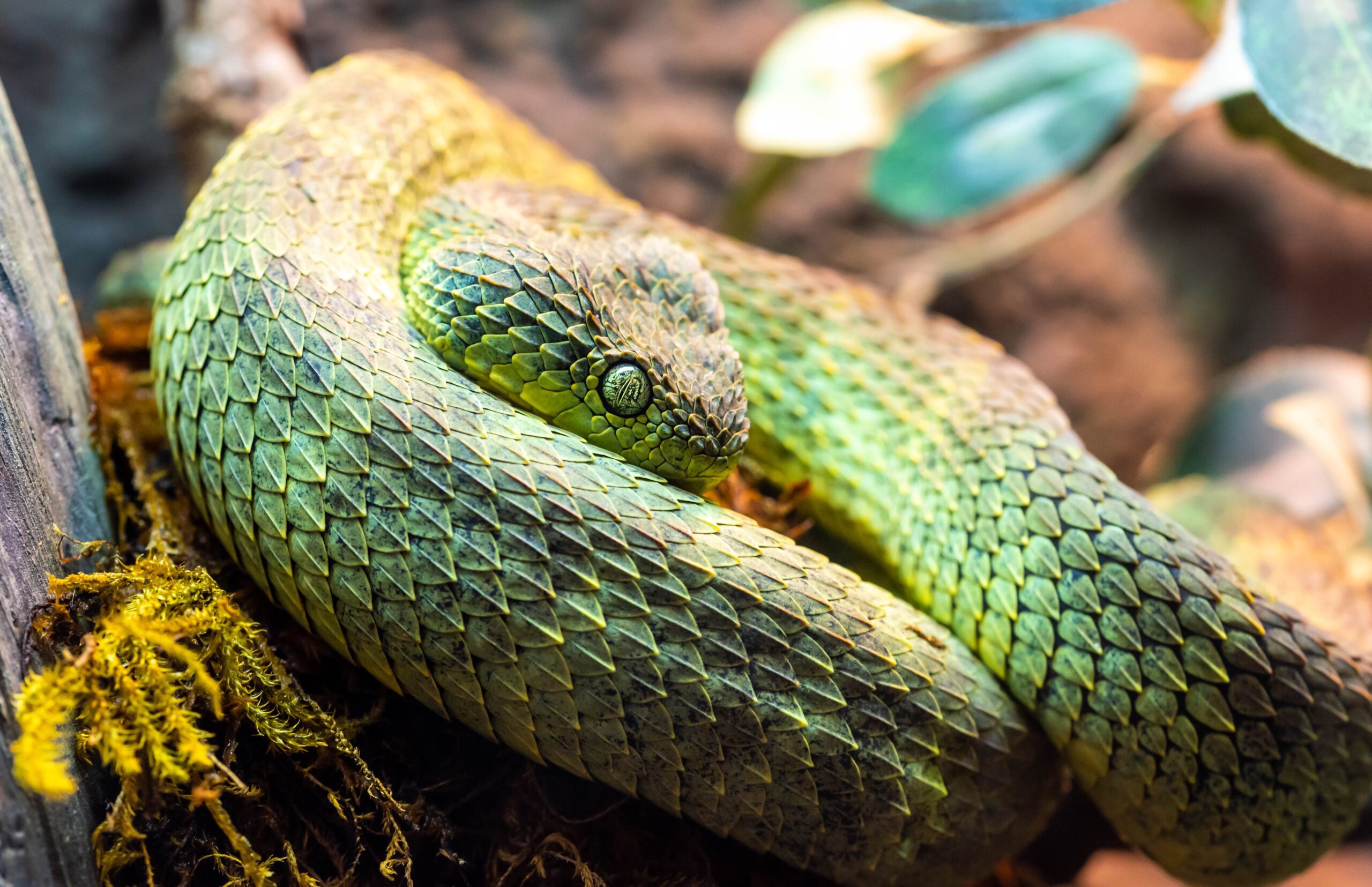
Seneca Park Zoo’s African bush viper resides inside the Animals of the Savanna building, in the micro-habitat tree.

Animal Facts

Diet

African bush vipers are carnivorous, and primarily eat small rodents. They may also eat birds, frogs, and small reptiles when available.

Status in The Wild

International Union for Conservation of Nature (IUCN) Red List status

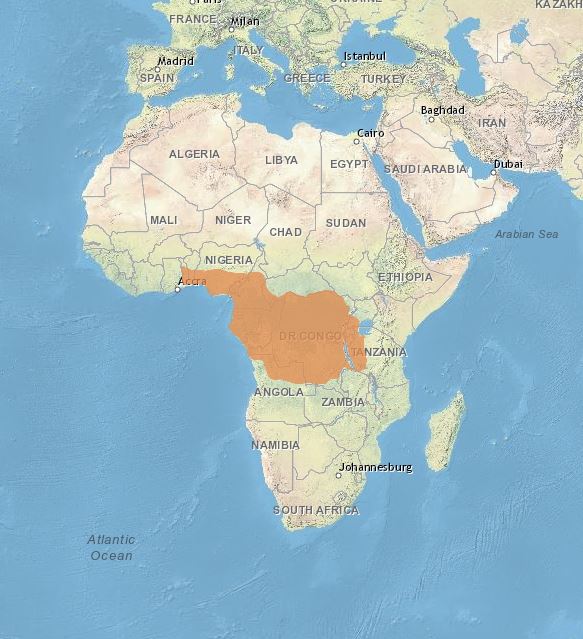
African bush vipers are mainly arboreal and prefer tropical rainforests in West and Central Africa. They are typically found far from human settlements.