Buffalo Weaver

Buffalo Weaver

(Dinemellia dinemelli)

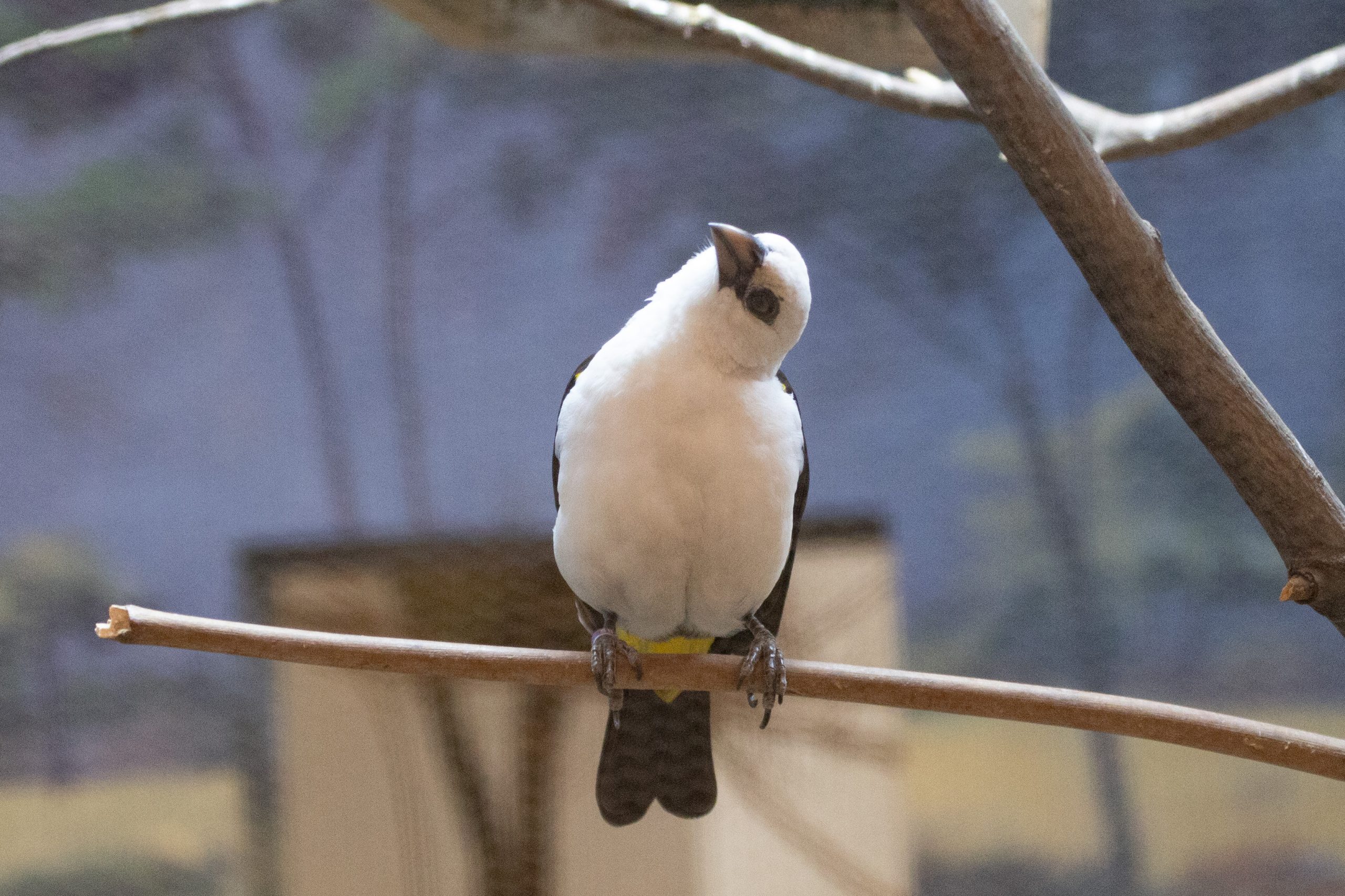
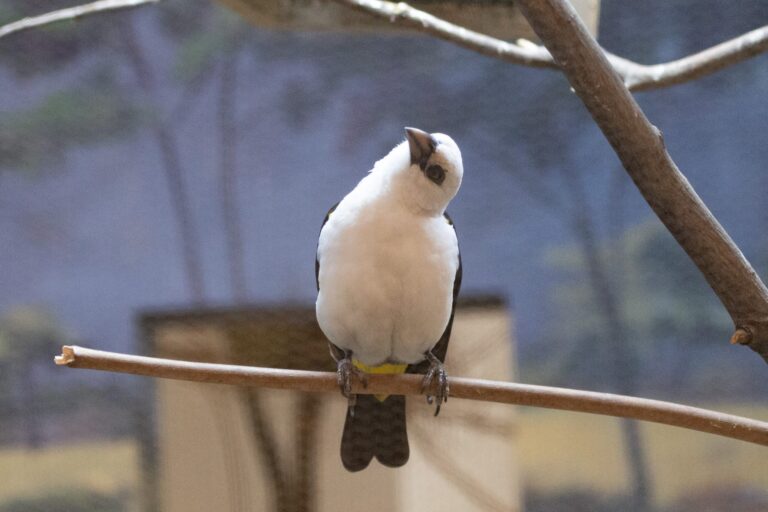
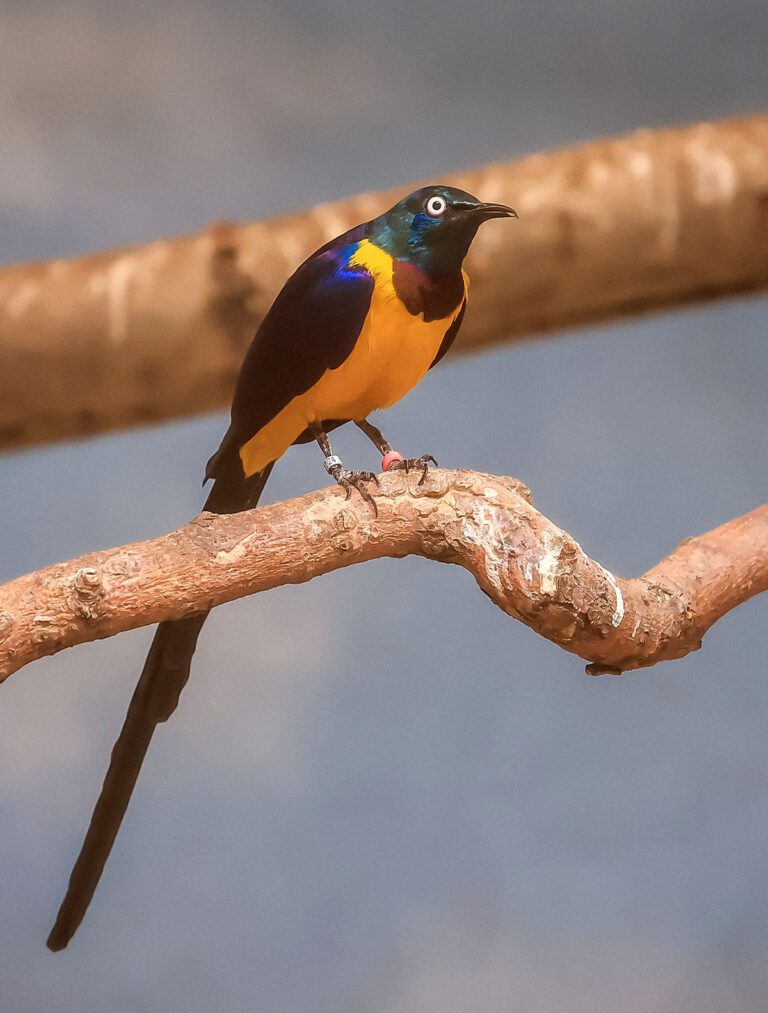
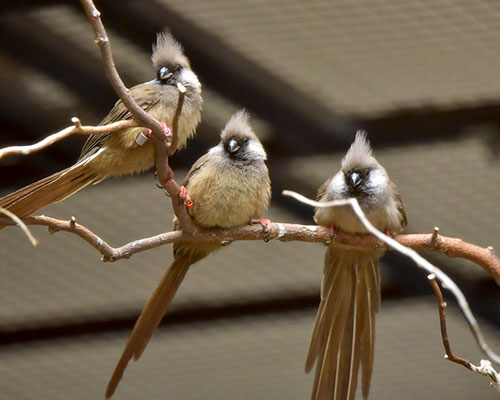
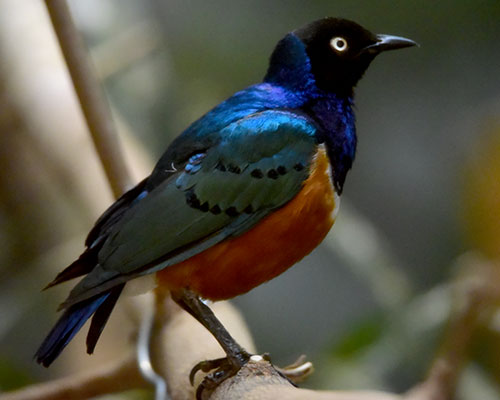
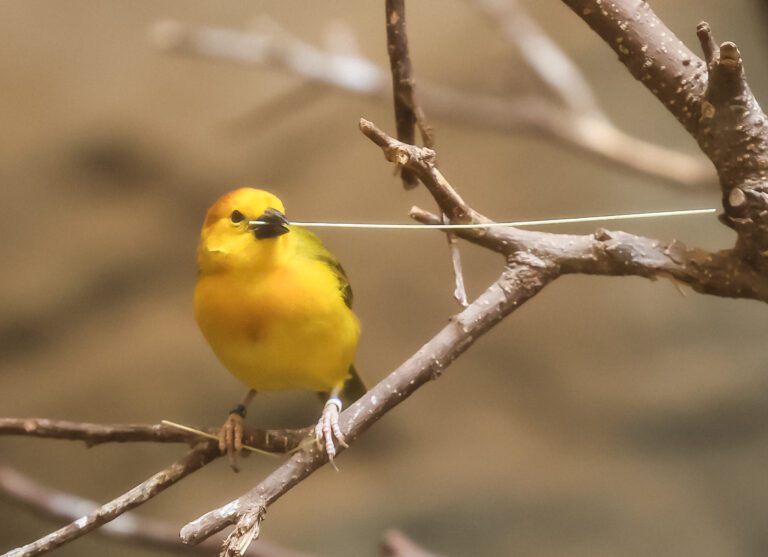
Seneca Park Zoo is home to two white-headed buffalo weavers. They reside in the aviary, which can be found inside the Animals of the Savanna building.

Animal Facts

Diet

Buffalo weavers are omnivorous, foraging for fruits, seeds and invertebrates such as beetles and butterflies.

Status in The Wild

International Union for Conservation of Nature (IUCN) Red List status

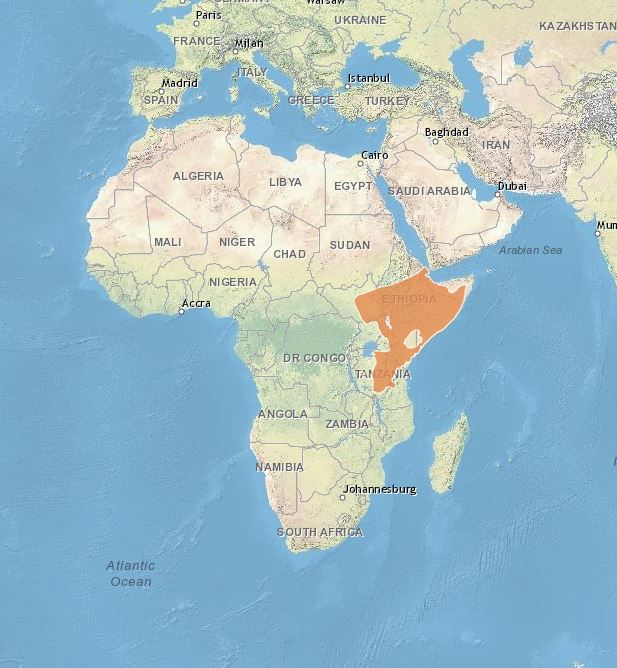
The range of buffalo weavers extends throughout eastern Africa, from Tanzania to Somalia.

They prefer savanna and shrubland habitat, using grass and thorny branches to weave elaborate nests in trees. Potential threats for this species are habitat loss and fragmentation.

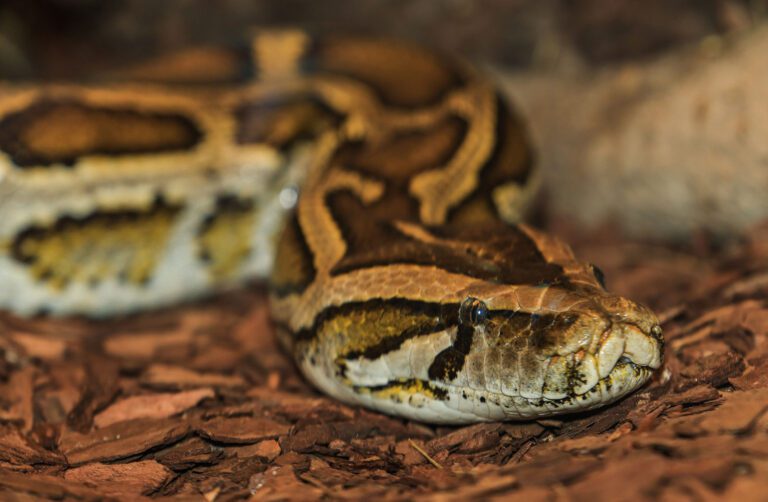
Burmese Python

Burmese Python

(Python bivittatus)

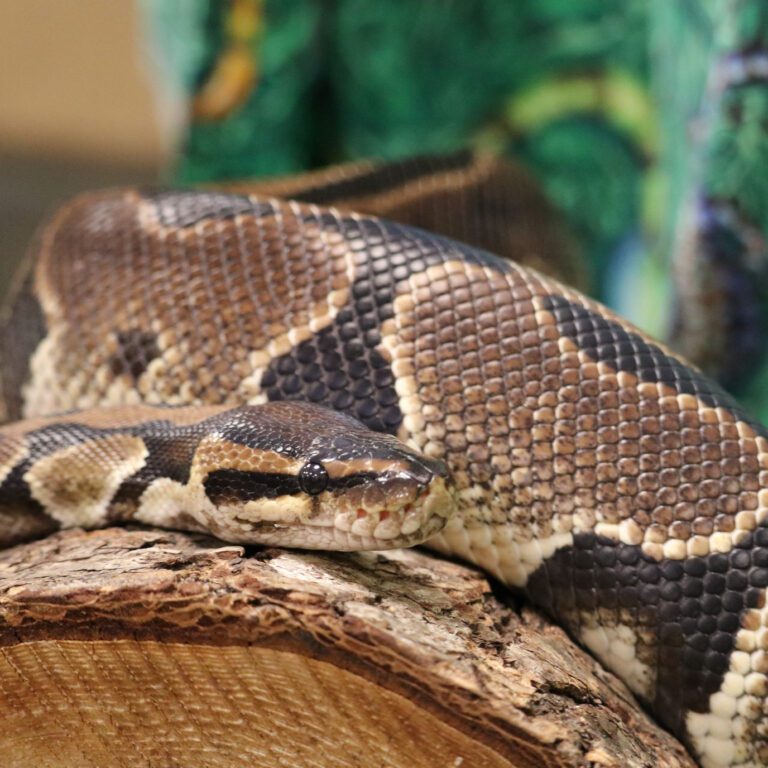
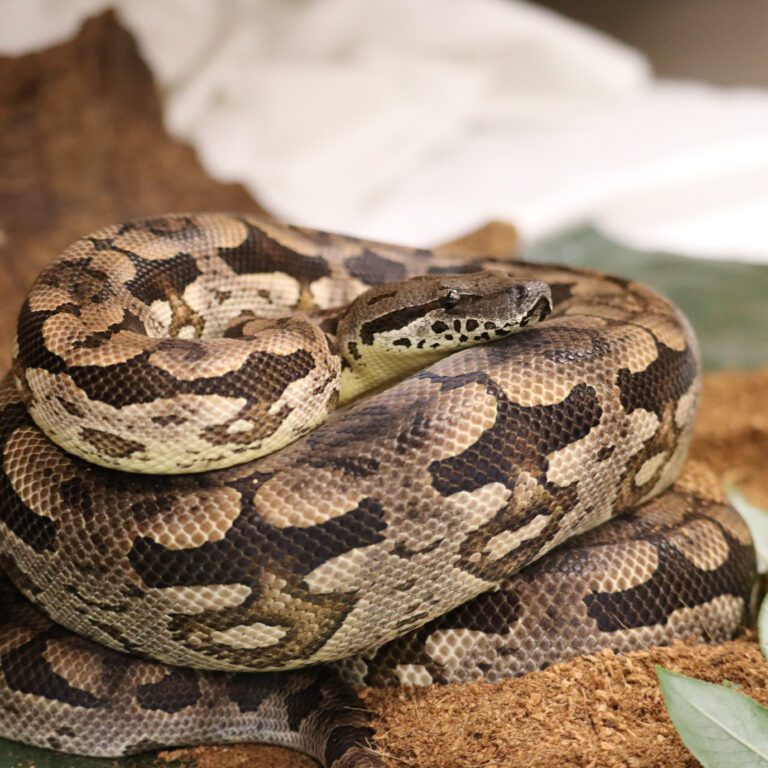
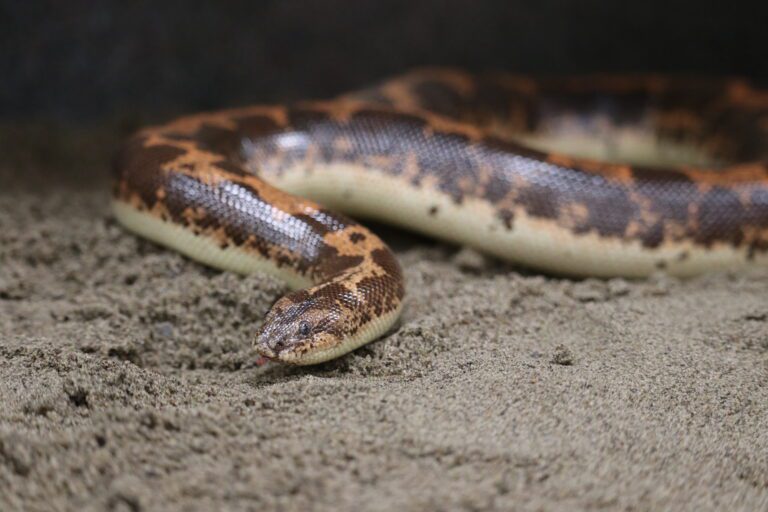
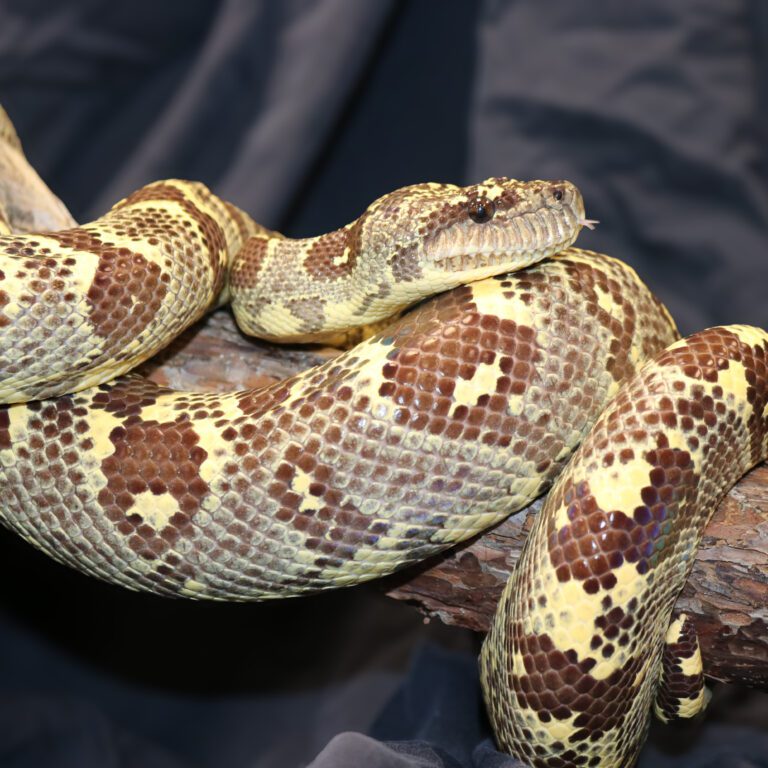
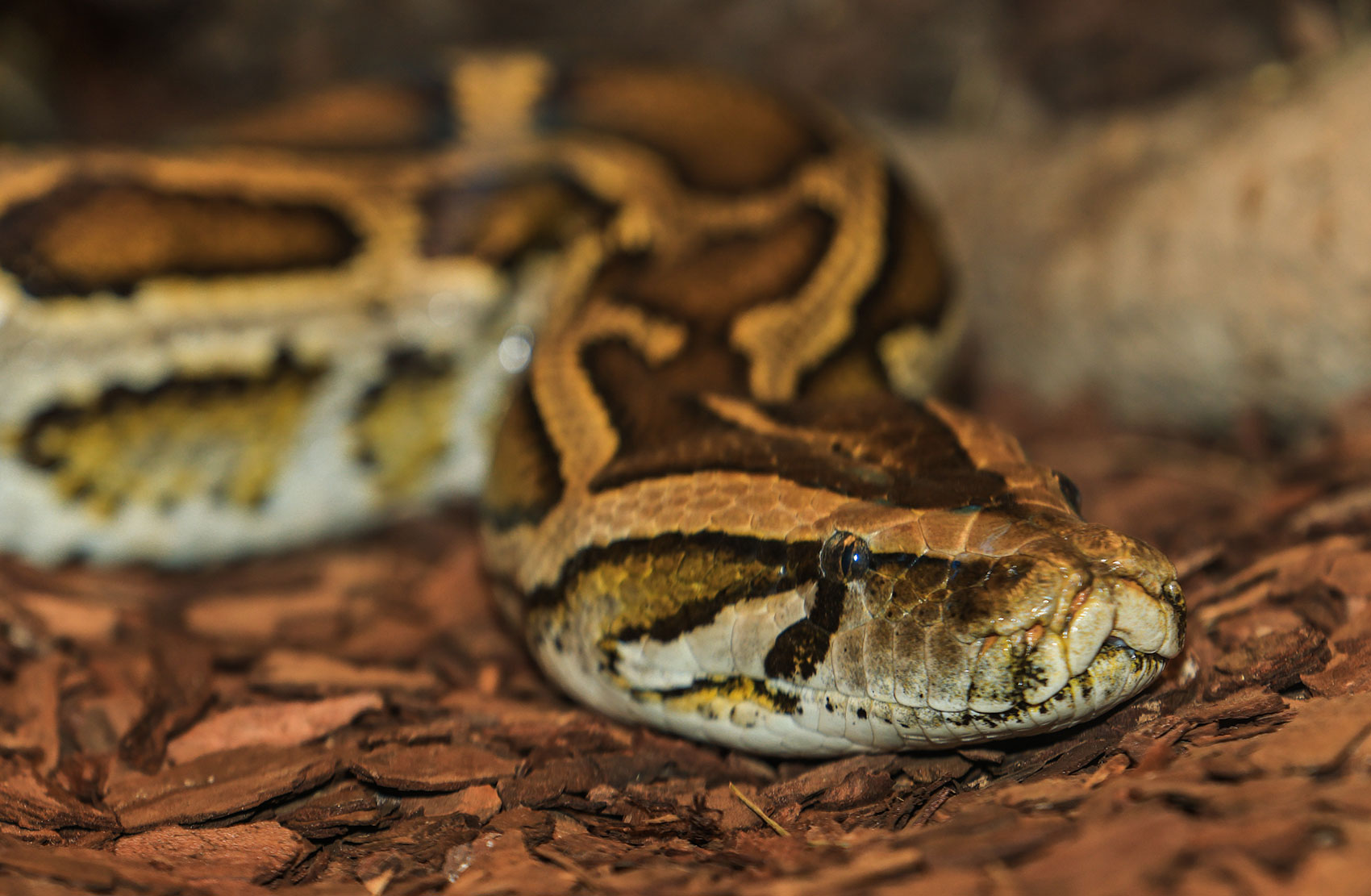
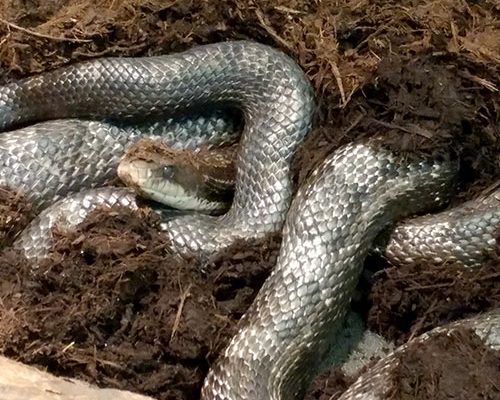
Seneca Park Zoo is home to two Burmese pythons, both males. Garrett and Caulkins, reside inside the Zoo’s Creatures from the River’s Edge building. They were hatched in 2016 right here at Seneca Park Zoo. Their parents were longtime zoo residents Abby and Mr. Slithers.

Animal Facts

Diet

The Burmese python eats appropriately sized mammals, reptiles, and birds.

Status in The Wild

International Union for Conservation of Nature (IUCN) Red List status

The jungles and scrublands of Myanmar (Burma), Malasia and Thailand compose the Burmese python’s habitat.

It has been slaughtered to supply the world leather market, as well as for folk medicines and captured for the pet trade. In recent years, extensive captive breeding has helped reduce the threat to Burmese pythons in their native habitat. However, the unauthorized release of pet Burmese pythons into the Everglades has led to the introduction of an invasive species, disrupting the fragile ecosystem.
Red-Eared Slider
Red-Eared Slider
(Trachemys scripta elegans)

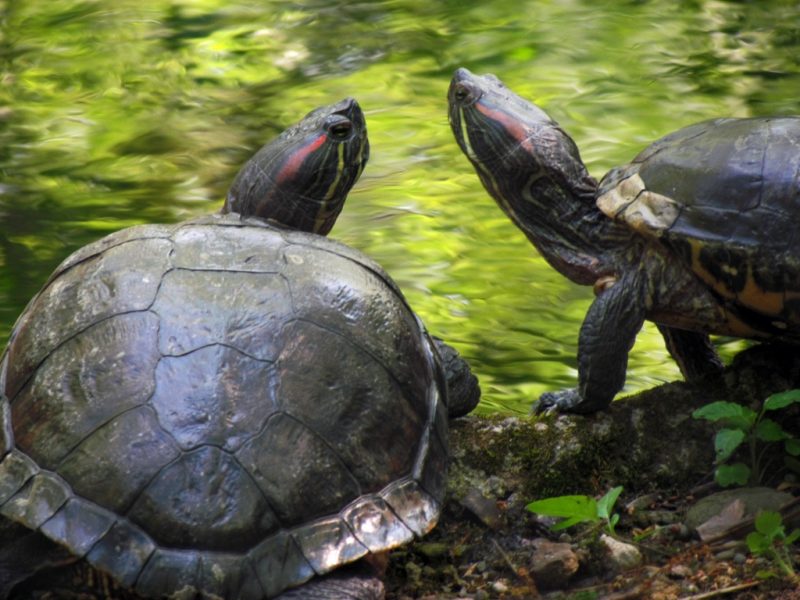
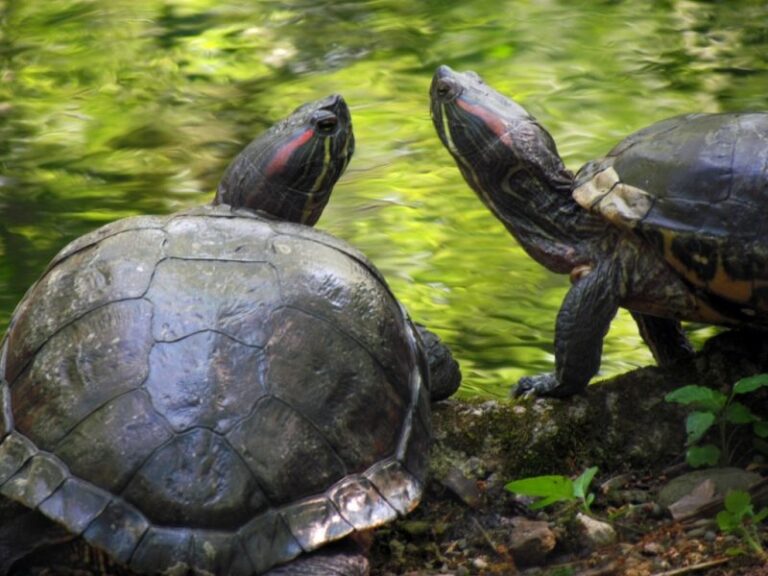
There are multiple red-eared sliders at Seneca Park Zoo and they can be found in the pond along the Genesee Trail (seasonally).

Animal Facts

Diet

Omnivore. Adults feed on plant and animal matter. They like to eat snails, tadpoles and fish, as well as duckweed and water lilies.

Status in The Wild

International Union for Conservation of Nature (IUCN) Red List status

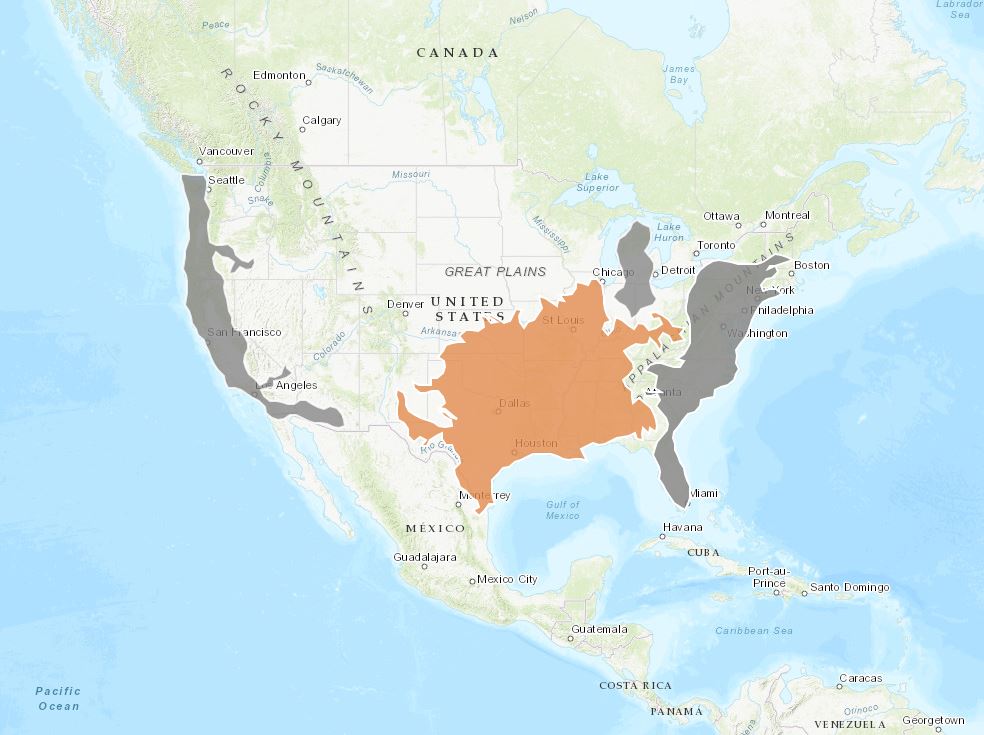
Red-eared sliders are from the southeastern United States and also live in New York State. They can often be found basking on logs or stumps in or near water.

Humans are the greatest enemy of red-eared sliders. Each year, turtles are harmed; mainly from habitat destruction and pollution.

Reef Tank

Reef Tank

Various Species

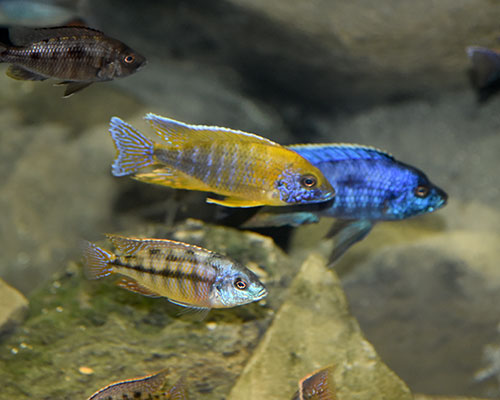
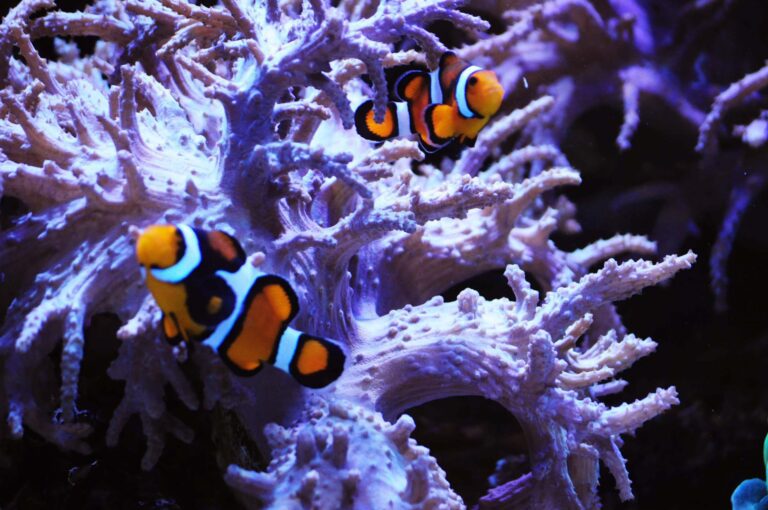
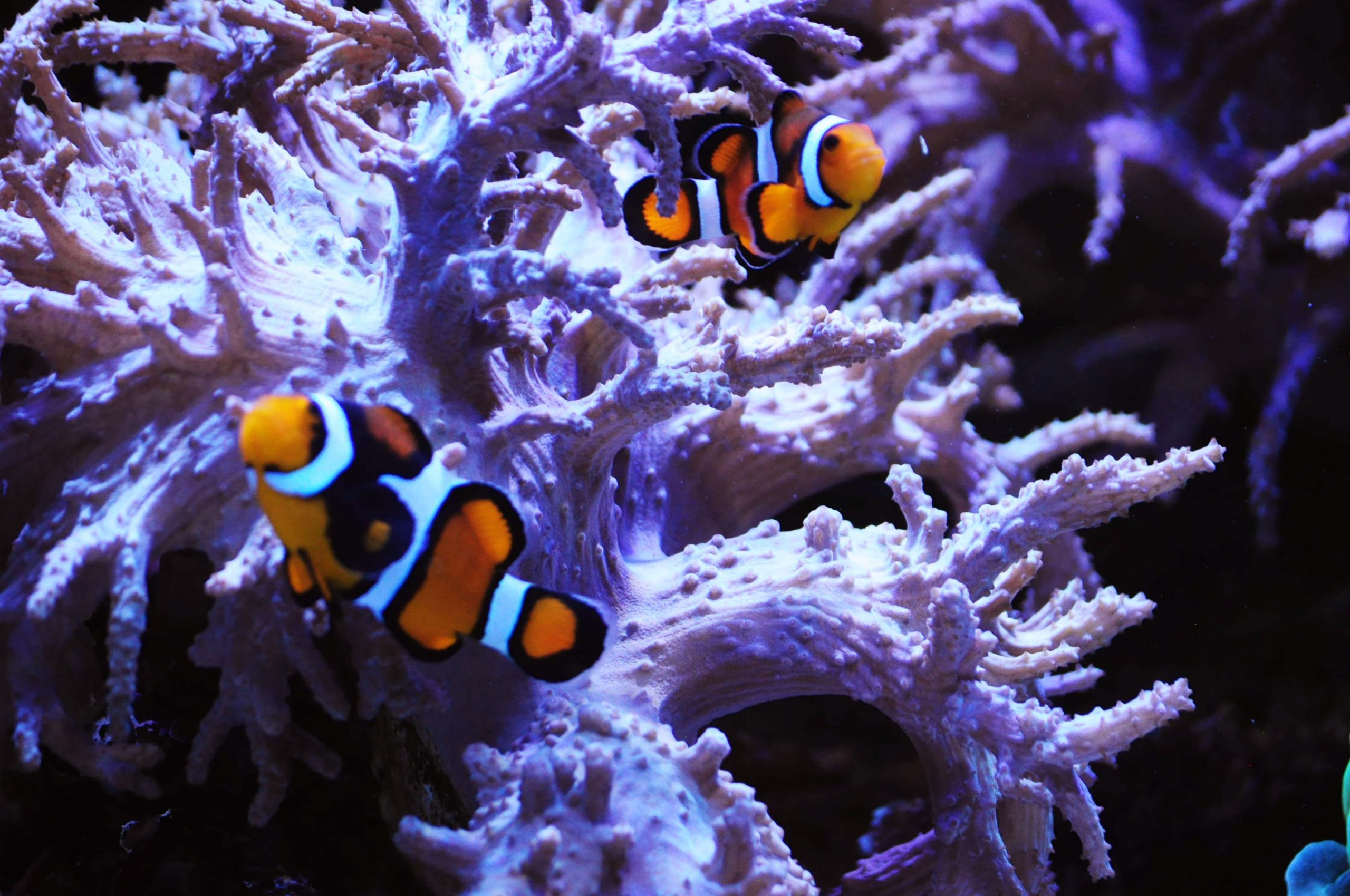
Reef Tank Species Fish: Yellow tang (Zebrasoma flavescens); Percula clownfish (Amphiprion percula); Ocellaris clownfish (Amphiprion ocellaris); Flame hawkfish; Diamond goby; and Banggai Cardinalfish (Pterapogon kauderni). Corals (soft and stony): tree leather coral, green leather coral; Kenya tree coral; frilly mushroom coral; star polyp; button mushroom coral; bubble (or grape) coral; hammer coral; candy coral Invertebrates: Rose bulb tip anemone; short-armed brittle star; spiny sea urchin The reef tank is also home to four Pacific cleaner shrimp.

Animal Facts

Diet

The reef tank is fed seven times a week a diet of seaweed, marine fish flakes, small shrimp, etc.

Status in The Wild

International Union for Conservation of Nature (IUCN) Red List status

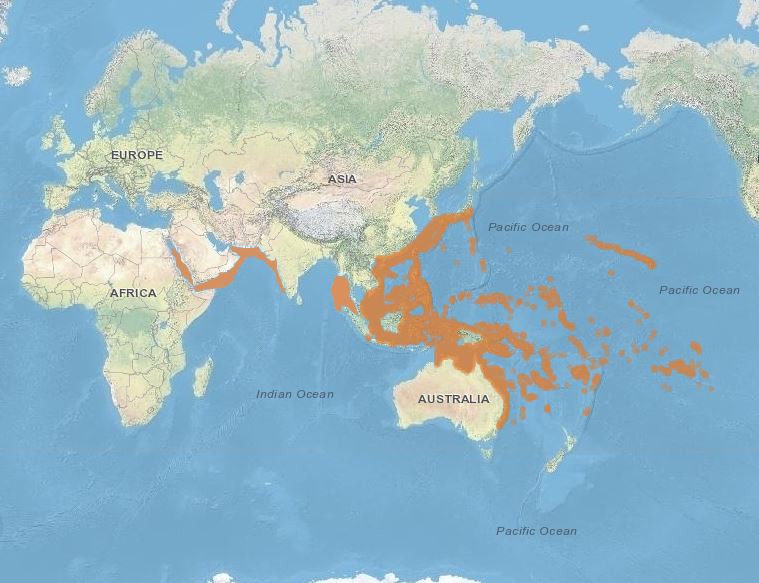
Coral reefs occur in the waters of more than 100 countries and territories around the world

According to the Global Coral Reef Monitoring Network (GCRMN), coral reefs are among the most vulnerable ecosystems on the planet with the world losing about 14% of the total world’s population since 2009.

African Lion

African Lion

(Panthera leo krugeri)

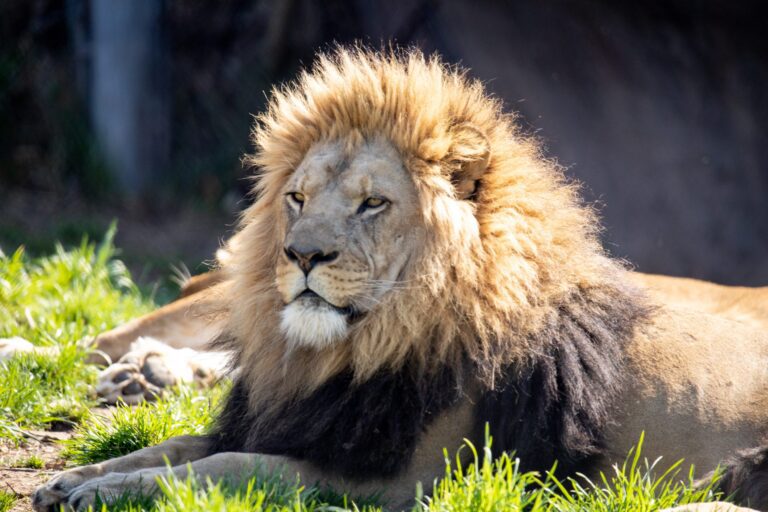
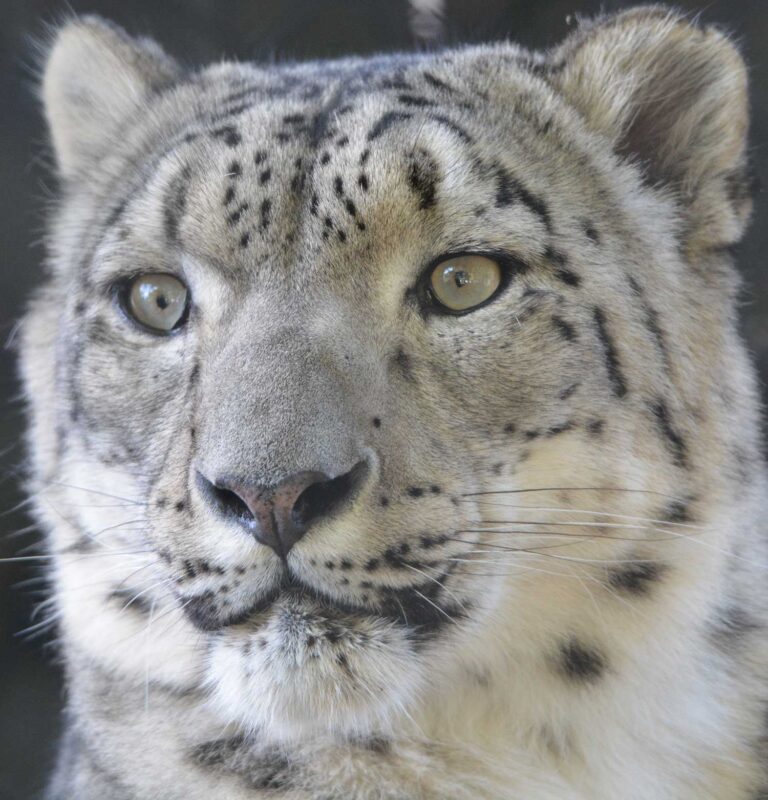
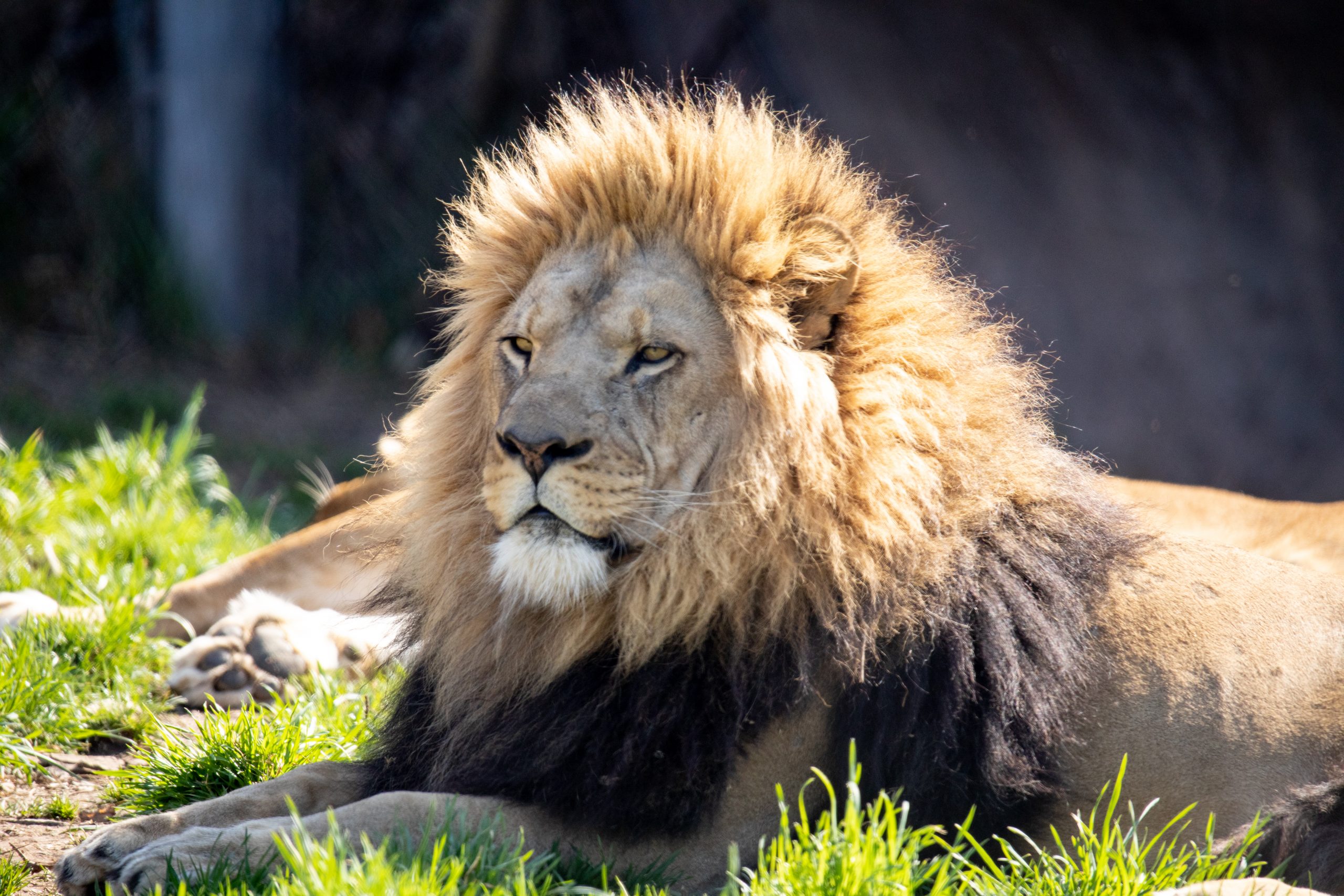
The Zoo is home to three adult African lions that arrived in December 2011 from an animal park outside Pretoria, South Africa. There is one male, Chester, born in September 2010 and two females: Zuri, born in September 2010 and Asha, born in January of 2011.

Animal Facts

Diet

Large ungulates, birds, rodents, fish, ostrich eggs, amphibians and reptiles. Lions also actively scavenge, taking cues from hyenas and vultures.

Status in The Wild

International Union for Conservation of Nature (IUCN) Red List status

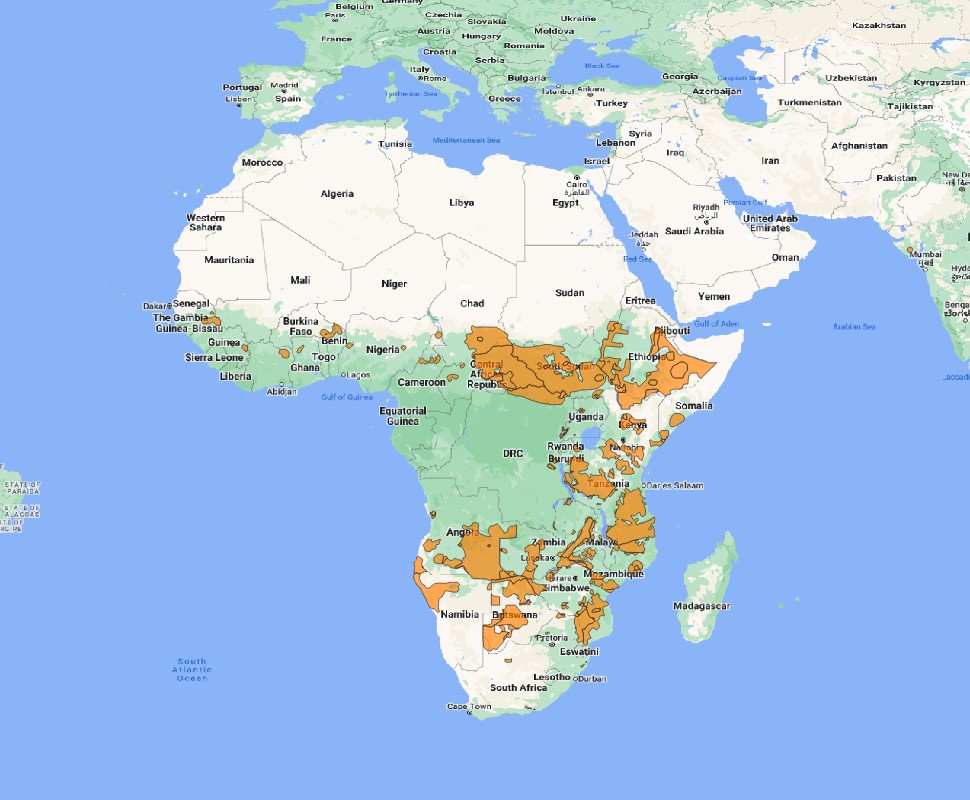
African lions are most common in plains or savanna habitat.

African lions are protected under CITES Appendix II. They are part of the Zoo’s Species Survival Plan (SSP) Program. It is believed that during the past two decades, the lion population has declined by nearly 30 percent. Main threats listed by IUCN are indiscriminate killing by humans and prey base depletion. Other problems include habitat loss, agricultural expansion and geographic isolation of different groups.

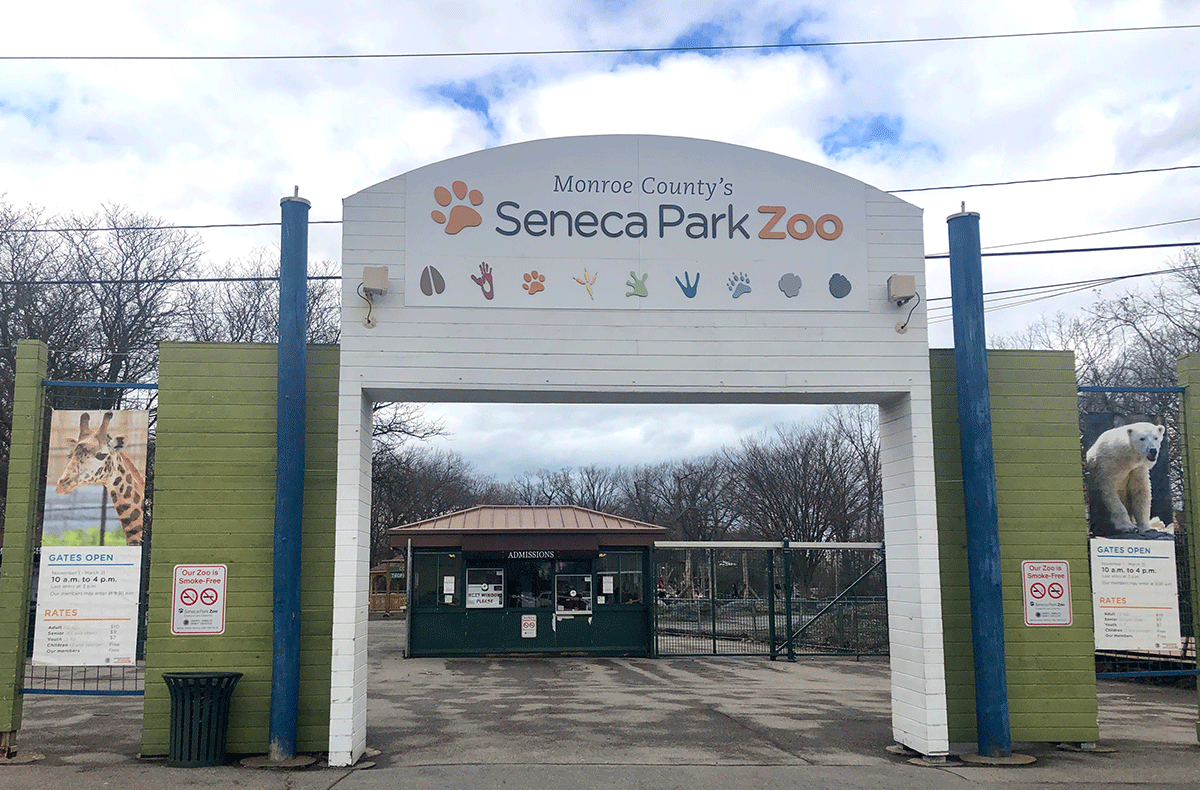
Seneca Park Zoo closed effective March 14, 2020
Updated April 1, 2020

Effective March 14, 2020, Seneca Park Zoo will be closed to all guests and volunteers. After consulting with Commissioner of Public Health Dr. Michael Mendoza, Monroe County Parks Director Pat Meredith, and Interim Zoo Director David Hamilton, Monroe County Executive Adam Bello took this precautionary action to protect the health and safety of Zoo guests, volunteers, and staff.

While the Zoo is closed, Animal Care staff will remain on the job and continue to provide excellent care to the animals.

ZooBrew 2017
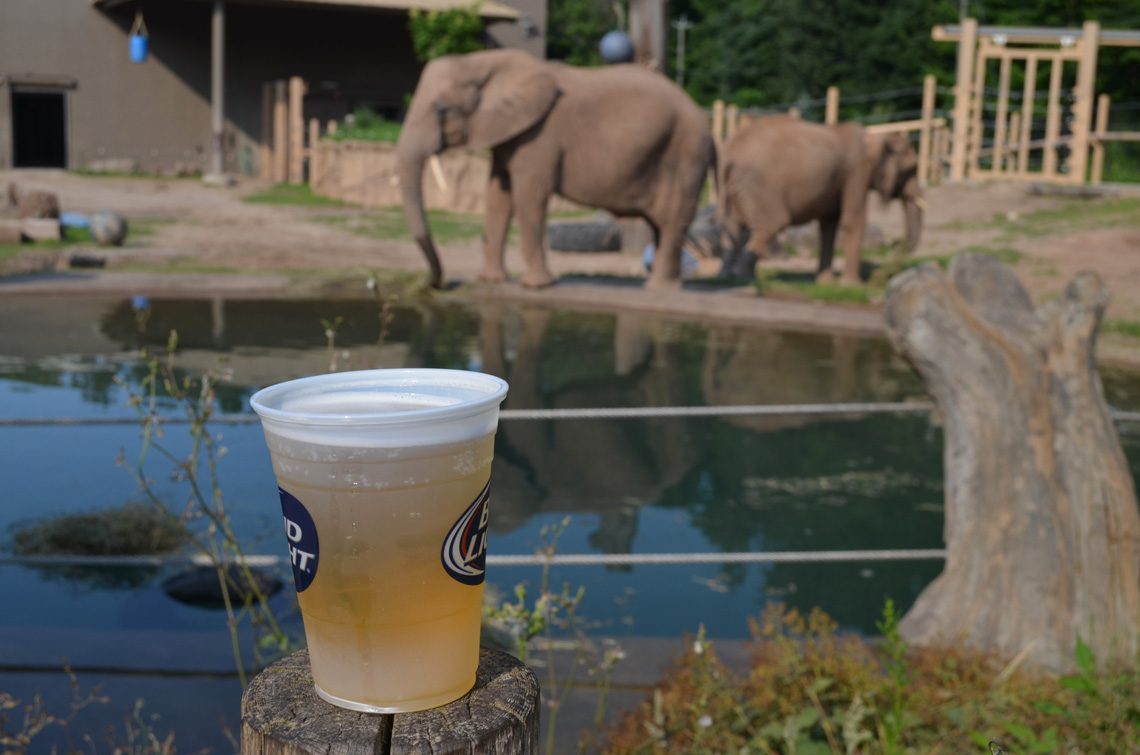
ZooBrrrew

Coffee and cocoa is on us in January!

All guests who come to the Zoo during the month of January can enjoy a hot beverage while they explore, on us!

Show proof of admission (receipt or Member card) at Eagle’s Landing Cafe and enjoy hot coffee or hot chocolate.Limit 1 per guest.Available 10 a.m. to 2 p.m. Monday through Friday and 10 a.m. to 3 p.m. on weekends.

John’s Story

John is a young philanthropist in the Rochester community.

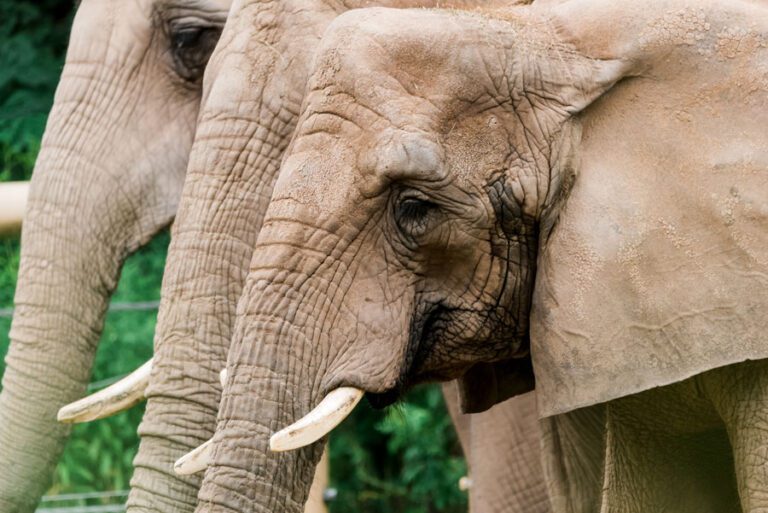
At only 3 years old, John is learning the importance of giving to the community. Early this fall, John came to the Zoo to make a donation of $.75 (his entire allowance for the month) to the elephants, his favorite animal.

While $.75 may not seem like much, it meant the world to us, and it meant a lot to John. His parents are looking to build strong values in John by having him conduct acts of volunteerism throughout the community each month. John chose the Zoo because he loves the elephants here, and he loves the Zoo.

John and his family are members who visit often. When John was even younger, they used the Zoo to help build his vocabulary. They have attended many Book & Beast programs and are looking forward to being able to participate in more Education programs now that John is older. Their favorite time to visit the Zoo is in the winter, rather than the summer, since the animals are out more and they can speak to the Zoo Keepers more readily.